Welcome to Our Company





 Send Inquiry
 Send Inquiry
Aceclofenac Gel
MOQ : 10 Packs
Aceclofenac Gel Specification
- Grade
- Medicinal Grade
- Life Span
- 24 months
- Molecular Formula
- C16H13Cl2NO4 (Aceclofenac)
- Purity
- Pharmaceutical Grade
- Brand Name
- Aceclodol
- Application
- Topical
- CAS No
- 89796-99-6 (Aceclofenac)
- Formulations Type
- External Use Drugs
- Formulations Form
- Gel
- Treatments & Functions
- Instant relief from pain, swelling & inflammation
- Gender/Age Group
- Adult
- Dosage Guidelines
- Apply a thin layer to the affected area 2-3 times daily or as directed by a physician
- Volume
- 20g, 30g
- Storage Instructions
- Store below 25C, Keep away from sunlight
- Active Ingredients
- Aceclofenac, Linseed Oil, Methyl Salicylate, Capsaicin, Menthol
- Odour
- Mild menthol
- Colour
- White gel
- Regulatory Status
- OTC (Over The Counter) or Prescription as per regional regulations
- Usage
- For external use only
- Precautions
- Avoid contact with eyes and mucous membranes, do not apply on broken skin
- Packaging Type
- Laminated Tube
- Therapeutic Area
- Musculoskeletal Pain, Joint Pain, Soft Tissue Injury
Aceclofenac Gel Trade Information
- Minimum Order Quantity
- 10 Packs
- FOB Port
- Mumbai sahara airport, Nhavasheva Port (JNPT)
- Payment Terms
- Cash Against Delivery (CAD), Letter of Credit (L/C), Western Union, Telegraphic Transfer (T/T), Cash in Advance (CID), Cash Advance (CA)
- Supply Ability
- 10000 Packs Per Week
- Delivery Time
- 7 Days
- Sample Available
- Yes
- Sample Policy
- Contact us for information regarding our sample policy
- Packaging Details
- Alualu/Blister Pack.
- Main Export Market(s)
- Australia, North America, South America, Eastern Europe, Western Europe, Middle East, Central America, Asia, Africa
- Main Domestic Market
- All India
- Certifications
- USFDA/WHOGMP/GMP
About Aceclofenac Gel
Aceclofenac, a anti-inflammatory drug, has been used in the treatment of rheumatoid arthritis and osteoarthritis. In order to decrease the gastric ulcerogenic effects, aceclofenac gels have been developed. This study was conducted to develop a gel formulation of aceclofenac using four types of gelling agents: carbopol, hydroxypropylmethylcellulose(HPMC), carboxymethylcellulose sodium (Na CMC) and sodium alginate. Effect of penetration enhancer (propylene glycol) on the release has been studied. The gels were evaluated for physical appearance, rheological behavior, drug release and stability. The drug release from all gelling agents through a standard cellophane membrane was evaluated using Keshary-Chien diffusion cell. All gels showed acceptable physical properties concerning color, homogeneity, consistency, spreadability and pH value. Among all the gel formulations, carbopol showed superior drug release than followed by Na CMC, HPMC and sodium alginate. Drug release decreased with increase in polymer concentration. Drug release was not linearly proportional with the concentration of penetration enhancer or co-solvents. Stability studies showed that the physical appearance, rheological properties, and drug release remained unchanged upon storage for two months at ambient conditions.How Aceclodol Gel Works
Aceclodol Gel harnesses a blend of non-steroidal anti-inflammatory and analgesic agents, along with essential oils, to effectively target and diminish musculoskeletal pain. Each component plays a unique role-Aceclofenac acts to reduce inflammation, Capsaicin soothes nerve pain, Linseed Oil assists with absorption, while Menthol and Methyl Salicylate provide cooling and soothing sensations.
Proper Application and Usage Guidelines
For optimal results, gently apply a thin layer of Aceclodol Gel to the affected area 2-3 times daily or as directed by a healthcare professional. Do not use on broken or irritated skin, and avoid contact with eyes and mucous membranes. Wash hands thoroughly after each application. Suitable for adults, Aceclodol should be used as per recommended dosage for maximum safety.
Storage and Shelf Life
Store Aceclodol Gel below 25C in a cool, dry place away from direct sunlight to maintain its pharmaceutical integrity. The product has a shelf life of 24 months when stored correctly. Always keep the medicine out of reach of children and securely close the tube after each use.
FAQ's of Aceclofenac Gel:
Q: How should I use Aceclodol Gel for musculoskeletal pain relief?
A: Apply a thin layer of Aceclodol Gel to the affected area 2-3 times daily or as directed by your physician. Gently massage it in until fully absorbed. Avoid getting the gel on broken skin, eyes, or mucous membranes.Q: What active ingredients provide the pain relief benefits in Aceclodol Gel?
A: The gel contains Aceclofenac for anti-inflammatory effects, Linseed Oil to aid absorption, Methyl Salicylate and Menthol for soothing and cooling, and Capsaicin to help alleviate nerve pain, working together for instant pain and inflammation reduction.Q: When is it recommended to use this gel?
A: Aceclodol Gel is advised for adults experiencing joint pain, soft tissue injury, or musculoskeletal discomfort. Use it at the onset of symptoms or as per your doctor's instructions for spot relief.Q: Where should I store Aceclodol Gel to maintain its potency?
A: Keep the gel in a cool, dry place away from direct sunlight, stored below 25C. Ensure the tube is tightly closed after use and kept out of children's reach.Q: What precautions should be taken during application?
A: Avoid using the gel on broken or irritated skin, and prevent contact with eyes or mucous membranes. Wash hands thoroughly after application to prevent accidental transfer.Q: Can Aceclodol Gel be used without a prescription?
A: Regulatory status may vary; in some regions, Aceclodol Gel is available over the counter, while others may require a prescription. Always check local guidelines or consult your pharmacist.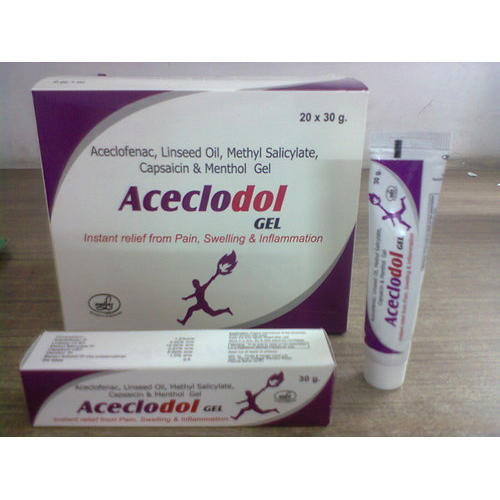
Tell us about your requirement

Price:
Quantity
Select Unit
- 50
- 100
- 200
- 250
- 500
- 1000+
Additional detail
Mobile number
Email

More Products in Pharmaceutical cream And Gel Category
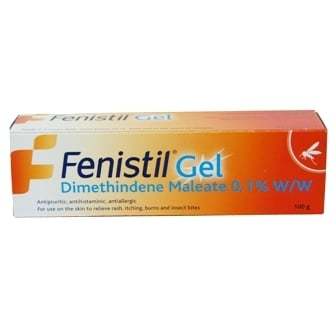
Dimethindene Gel
Minimum Order Quantity : 100 Units
Formulations Form : Other, Topical Gel
Storage Instructions : Store at cool and dry place.
Dosage Guidelines : As directed by physician.
Formulations Type : Other Types, Pharmaceutical Gel
Dosage : As directed by doctor.
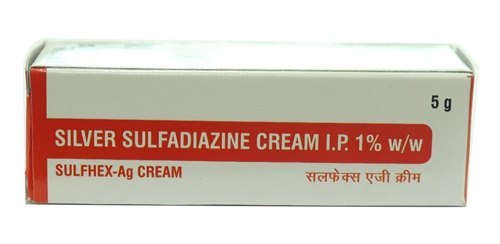
Silver Sulfadiazine cream
Minimum Order Quantity : 100 Units
Formulations Form : Cream
Storage Instructions : Store at cool and dry place.
Dosage Guidelines : As directed by physician.
Formulations Type : External Use Drugs
Dosage : As directed by doctor.
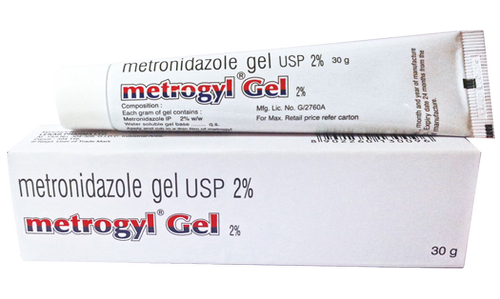
Metronidazole Gel
Minimum Order Quantity : 100 Units
Storage Instructions : Store at cool and dry place.
Dosage Guidelines : As directed by physician.
Dosage : As directed by doctor.
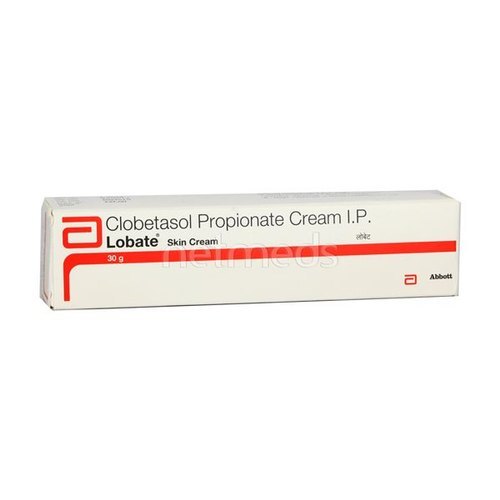
Clobetasol Cream
Minimum Order Quantity : 100 Units
Formulations Form : Cream
Storage Instructions : Store in Cool
Dosage Guidelines : As per prescription
Formulations Type : External Use Drugs

 Send Inquiry
 Send SMS
SLOGEN BIOTECH
GST : 24CGUPA4277R2ZK
GST : 24CGUPA4277R2ZK

- 264, Green Plaza, Second Floor, Golden Chowkadi, Mota Varacha, Surat - 394101, Gujarat, India
- Phone : 08045811974

- Mr Avadh Ambaliya (Proprietor)
- Mobile : 08045811974
-
 info@slogenbiotech.com

|

SLOGEN BIOTECH
All Rights Reserved.(Terms of Use)
Developed and Managed by Infocom Network Private Limited.
Developed and Managed by Infocom Network Private Limited.

