Welcome to Our Company





 Send Inquiry
 Send Inquiry
Endotracheal Tube
MOQ : 1000 Pieces
Endotracheal Tube Specification
- Shelf Life
- Typically 3-5 Years
- Instruments Type
- Respiratory Care
- Storage Instructions
- Store in a cool, dry place; avoid direct sunlight, keep in original packaging until use
- Measurement Range
- 6.0mm to 8.5mm ID (other sizes may be available)
- Features
- Cuffed, Murphy Eye, Radiopaque Line, Graduated Markings, Smooth Surface
- Usage Type
- Single Use
- Function
- Airway Management
- Equipment Type
- Endotracheal Tube
- Material
- Other
- Condition
- New
- Technology
- Disposable, Sterile
- Portable
- Yes
- Wall Mounted
- No
- Real-Time Operation
- Yes
- Operating Type
- Manual
- Use
- Hospital
- Dimension (L*W*H)
- Varies depending on size (typically 6.0-8.5mm Inner Diameter, length ~30cm)
- Weight
- Lightweight, varies by size
- Color
- Transparent with clear markings
- Balloon/Cuff
- High Volume, Low Pressure Cuff
- Intended Patient Population
- Adult/Pediatric (size dependent)
- Tip Design
- Beveled, Soft Rounded Tip for Easy Insertion
- Markings
- Graduated Depth Markings for Accurate Placement
- Sterilization
- Ethylene Oxide (EO) Sterilized
- Radiopaque Line
- Yes, for X-ray visibility
- Murphy Eye
- Yes, present for additional airflow
- Compliance Standards
- CE Marked, ISO 13485 Certified
- Connector Type
- Standard 15mm Connector
- Latex-Free
- Yes
Endotracheal Tube Trade Information
- Minimum Order Quantity
- 1000 Pieces
- FOB Port
- Nhavasheva Port, Mundra Port, Hajira Port.
- Payment Terms
- Cash Against Delivery (CAD), Letter of Credit (L/C), Telegraphic Transfer (T/T), Paypal, Western Union, Letter of Credit at Sight (Sight L/C), Cash in Advance (CID), Cash Advance (CA)
- Supply Ability
- 500000 Pieces Per Month
- Delivery Time
- 5-7 Days
- Sample Available
- Yes
- Sample Policy
- Contact us for information regarding our sample policy
- Packaging Details
- Box Quantity- 10 Master Box Quantity- 200
- Main Export Market(s)
- Australia, North America, South America, Eastern Europe, Western Europe, Middle East, Africa, Central America, Asia
- Main Domestic Market
- Chandigarh, Himachal Pradesh, Andaman and Nicobar Islands, Pondicherry, Uttarakhand, Daman and Diu, Dadra and Nagar Haveli, Lakshadweep, Nagaland, South India, Central India, North India, East India, West India, Andhra Pradesh, Assam, Arunachal Pradesh, Bihar, Delhi, Gujarat, Goa, Haryana, Jammu and Kashmir, Jharkhand, Karnataka, Kerala, Madhya Pradesh, Maharashtra, Mizoram, Meghalaya, Manipur, Odisha, Punjab, Rajasthan, Sikkim, Tamil Nadu, Telangana, Tripura, West Bengal, Chhattisgarh, Uttar Pradesh, All India
- Certifications
- ISO/CE Certified
About Endotracheal Tube
Endotracheal Tube- Manufactured from thermo-sensitive material readily conforming to body contours at body temperature. Kink resistant and transparent material to reduce any possibility of occlusion in the tube bore. Nasoral tip suitable for nasal/ oral intubation.Murphy eye with smooth edges and tip to reduce any trauma to the patient during procedure. Provided with radio-opaque line throughout the length for X-ray detection and assistance in placement. Proximal end is fitted with standard 15 mm connector which can snugly fit with other commonly used connectors.Sterile individually packed in peelable blister pack.Designed for Safe and Efficient Airway Management
This endotracheal tube ensures patient safety with its latex-free, EO sterilized design, and a soft, beveled tip to minimize tissue trauma during insertion. Graduated depth markings and a radiopaque line allow for precise placement and easy verification using X-ray imaging, making it suitable for both adult and pediatric patients depending on size. The tube's transparent construction and clear markings also enhance visibility and accuracy for healthcare professionals.
Quality Assurance and Certifications
Backed by CE Mark and ISO 13485 certification, this endotracheal tube meets rigorous international standards for medical devices. Each unit is manufactured under strict quality controls to guarantee safety, reliability, and consistency. Its single-use, disposable design reduces infection risk and supports hospital infection control protocols.
Versatile Application and Easy Storage
The standard 15mm connector ensures compatibility with most ventilators and breathing circuits used in hospital settings. Lightweight and portable, the tube can be easily transported and used in a variety of clinical scenarios. The tube should be stored in a cool, dry place, away from direct sunlight, and kept in its original packaging until use to maintain sterility and extend shelf life.
FAQ's of Endotracheal Tube:
Q: How is the endotracheal tube sterilized before use?
A: The endotracheal tube is sterilized using Ethylene Oxide (EO) gas, ensuring it is free from contaminants and safe for immediate patient use upon opening the packaging.Q: What benefits does the high volume, low pressure cuff provide?
A: The high volume, low pressure cuff minimizes the risk of tracheal injury by distributing pressure evenly, while effectively sealing the airway to prevent aspiration and air leaks during ventilation.Q: When should the endotracheal tube be used?
A: This tube is intended for airway management during anesthesia, emergency resuscitation, or prolonged ventilation in both adult and pediatric patients, based on appropriate size selection.Q: Where can these endotracheal tubes be used?
A: They are primarily used in hospital and clinical settings, including operating rooms, intensive care units, and emergency departments, wherever secure airway management is required.Q: What is the process for inserting the tube safely?
A: A trained healthcare professional inserts the beveled, soft rounded tip through the patient's airway, using the graduated markings for accurate depth placement. The cuff is then inflated to secure the tube and the radiopaque line confirms position via X-ray if needed.Q: Why is the radiopaque line important?
A: The radiopaque line enables clinicians to verify proper tube placement using X-ray imaging, reducing the risk of misplacement and associated complications.Q: What are the storage and shelf life recommendations for this product?
A: The tube should be stored in a cool, dry place, away from direct sunlight, and in its original packaging to preserve sterility. It typically has a shelf life of three to five years.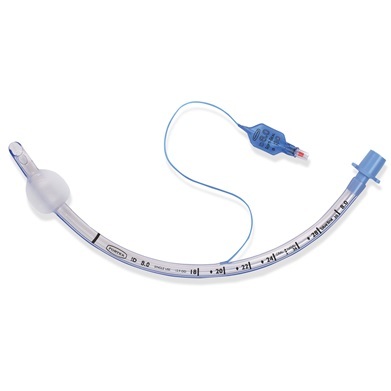
Tell us about your requirement

Price:
Quantity
Select Unit
- 50
- 100
- 200
- 250
- 500
- 1000+
Additional detail
Mobile number
Email

More Products in Surgical Products Category
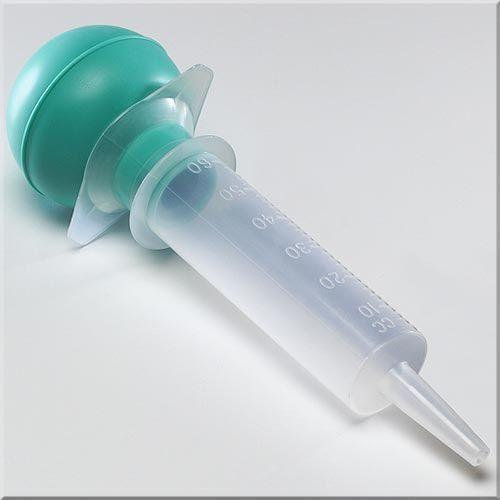
Asepto Pump
Minimum Order Quantity : 1000 Pieces
Storage Instructions : Store in a Clean, Dry Place Away from Direct Sunlight
Operating Type : Manual
Instruments Type : Medical Suction/Irrigation Instrument
Shelf Life : 5 Years (Under Proper Storage)
Noise Level : Silent Operation
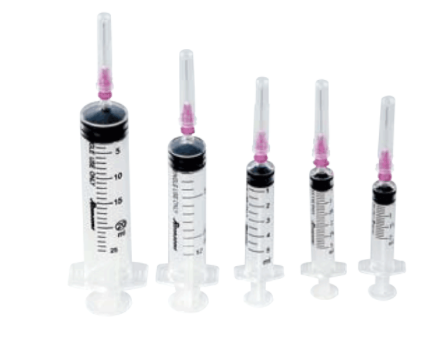
Hypodermic Syringe
Minimum Order Quantity : 10000 Pieces
Storage Instructions : Store in Cool, Dry Place
Operating Type : Manual
Instruments Type : General Medical Instruments
Shelf Life : Up to 5 Years (if unopened and stored properly)
Noise Level : Silent
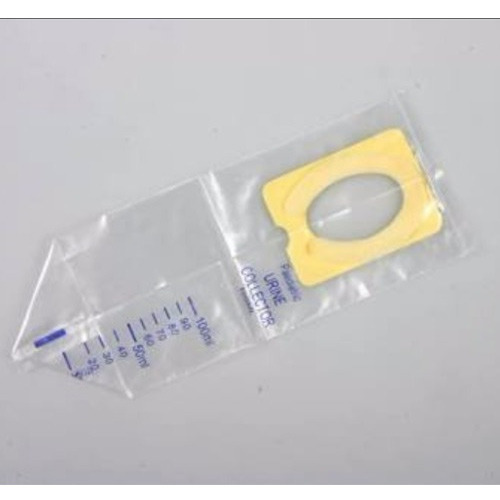
Paedaitric Urine Collecting Bag
Minimum Order Quantity : 1000 Pieces
Storage Instructions : Store in cool, dry place away from direct sunlight
Operating Type : Manual
Instruments Type : Medical Disposable Collecting Bag
Shelf Life : 25 Years (as per manufacturer)
Noise Level : Silent
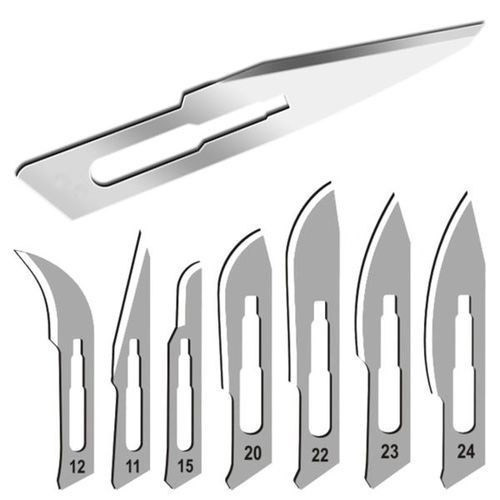
Surgical blades
Minimum Order Quantity : 100 Boxes
Storage Instructions : Store in Cool, Dry, and Clean Place
Operating Type : Manual
Instruments Type : Surgical Instrument
Shelf Life : 5 Years
Noise Level : Silent

 Send Inquiry
 Send SMS
 Call Me Free
SLOGEN BIOTECH
GST : 24CGUPA4277R2ZK
GST : 24CGUPA4277R2ZK

- 264, Green Plaza, Second Floor, Golden Chowkadi, Mota Varacha, Surat - 394101, Gujarat, India
- Phone : 08045811974

- Mr Avadh Ambaliya (Proprietor)
- Mobile : 08045811974
-
 info@slogenbiotech.com

|

SLOGEN BIOTECH
All Rights Reserved.(Terms of Use)
Developed and Managed by Infocom Network Private Limited.
Developed and Managed by Infocom Network Private Limited.

