Welcome to Our Company





 Send Inquiry
 Send Inquiry
Surgical Sutures
MOQ : 5 Boxes
Surgical Sutures Specification
- Instruments Type
- Suture material
- Usage Type
- Single-use, disposable
- Features
- High tensile strength, minimal tissue reactivity, smooth passage through tissue
- Storage Instructions
- Store in a cool, dry place away from direct sunlight
- Function
- Surgical wound closure and tissue approximation
- Measurement Range
- Suture gauge sizes (USP 2-0 to 6-0)
- Accuracy
- Ensures precise wound approximation when used correctly
- Shelf Life
- Usually 5 years from manufacture date
- Equipment Type
- Surgical Sutures
- Material
- Other
- Condition
- New
- Technology
- Sterile medical device production
- Portable
- Yes
- Wall Mounted
- No
- Real-Time Operation
- Yes, immediate use after opening
- Noise Level
- Silent
- Operating Type
- Manual application
- Use
- Wound closure in surgery
- Power Source
- Not Required (Manual)
- Dimension (L*W*H)
- Varies per suture length (typically 45 cm to 90 cm per strand)
- Weight
- Lightweight (Varies by packaging and type)
- Color
- Blue
- Tensile Strength Retention
- Permanent, does not degrade in tissue
- Sterilization Method
- Ethylene oxide gas sterilized
- Absorbability
- Non-absorbable
- Packaging Type
- Individually packed, sterile blister pack
- Suture Structure
- Monofilament
- USP Size
- 5-0 (as shown)
- Application Areas
- General surgery, cardiovascular, plastic, and orthopedic procedures
- Needle Type
- 3/8 circle reverse cutting needle
Surgical Sutures Trade Information
- Minimum Order Quantity
- 5 Boxes
- FOB Port
- Nhavasheva Port, Mundra Port, Hajira Port.
- Payment Terms
- Letter of Credit at Sight (Sight L/C), Telegraphic Transfer (T/T), Paypal, Letter of Credit (L/C), Western Union, Cash Against Delivery (CAD), Cash in Advance (CID), Cash Advance (CA)
- Supply Ability
- 500000 Boxes Per Month
- Delivery Time
- 5-7 Days
- Sample Available
- Yes
- Sample Policy
- Contact us for information regarding our sample policy
- Packaging Details
- STANDARD PACKING
- Main Export Market(s)
- Australia, North America, South America, Eastern Europe, Western Europe, Middle East, Africa, Central America, Asia
- Main Domestic Market
- Goa, Meghalaya, Andaman and Nicobar Islands, Pondicherry, Dadra and Nagar Haveli, East India, Andhra Pradesh, Assam, Arunachal Pradesh, Bihar, Chhattisgarh, Chandigarh, Daman and Diu, Haryana, Himachal Pradesh, Jammu and Kashmir, Karnataka, Kerala, Lakshadweep, Madhya Pradesh, Maharashtra, Mizoram, Manipur, Nagaland, Punjab, Rajasthan, Sikkim, Tamil Nadu, Telangana, Tripura, Uttarakhand, West Bengal, Delhi, Gujarat, South India, North India, Central India, Odisha, Jharkhand, West India, Uttar Pradesh, All India
- Certifications
- WHOGMP/CE certified.
About Surgical Sutures
Non-absorbable sutures are made of special silk or the synthetics polypropylene, polyester or nylon. Stainless steel wires are commonly used in orthopedic surgery and for sternal closure in cardiac surgery.Reliable, High-Performance Sutures for Critical Applications
Ideal for general, cardiovascular, plastic, and orthopedic surgeries, these monofilament sutures combine high tensile strength with a reverse cutting needle for superior wound closure. The permanent, non-absorbable nature ensures reliable tissue support, while minimal tissue reaction promotes safer outcomes. Both distributors and healthcare professionals benefit from their precision and ease of use.
Sterile and Convenient Packaging for Immediate Use
Each suture comes individually packed in a sterile blister pack, ensuring it remains uncontaminated right until application. The ethylene oxide sterilization process guarantees the highest hygiene standards, while the single-use design streamlines operating room protocols and reduces infection risk.
FAQ's of Surgical Sutures:
Q: How should these surgical sutures be stored before use?
A: These sutures should be stored in a cool, dry place away from direct sunlight to maintain their sterility and structural integrity until use.Q: What are the primary benefits of using a 3/8 circle reverse cutting needle in surgery?
A: A 3/8 circle reverse cutting needle provides excellent maneuverability and control, especially in dense or tough tissues, resulting in cleaner, more precise wound closure.Q: When can these sutures be used post-sterile packaging?
A: These sutures are ready for immediate use after opening the individual sterile blister pack, ensuring efficiency during surgical procedures.Q: Where can these sutures be effectively applied?
A: They are suitable for general surgery, cardiovascular, plastic, and orthopedic procedures, offering versatility across a wide range of surgical areas.Q: What process ensures the sterility of these sutures?
A: The sutures undergo ethylene oxide gas sterilization, a process proven to eliminate microbial contaminants and maintain product sterility until the packaging is opened.Q: How does the monofilament structure benefit wound closure?
A: The monofilament design provides a smooth surface that passes easily through tissue, reducing drag and minimizing tissue trauma during suturing.Q: What is the recommended usage type and disposal method for these sutures?
A: These sutures are intended for single-use only and should be properly disposed of after the procedure to prevent risk of contamination or infection.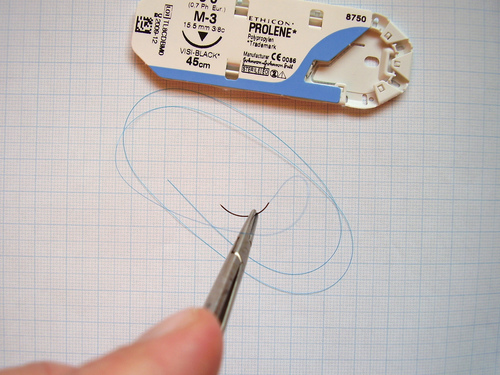
Tell us about your requirement

Price:
Quantity
Select Unit
- 50
- 100
- 200
- 250
- 500
- 1000+
Additional detail
Mobile number
Email

More Products in Surgical Products Category
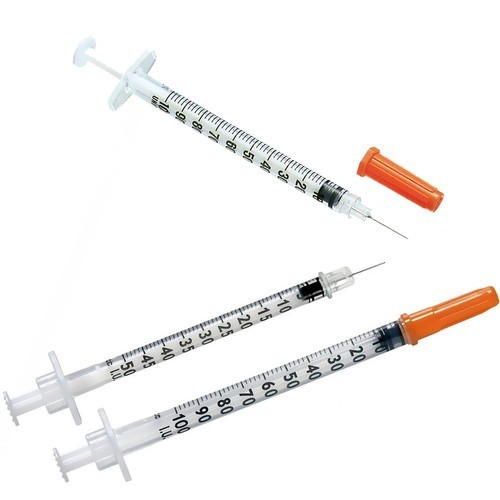
Insulin Syringes
Minimum Order Quantity : 500 Packs
Use : Injecting Insulin
Color : Transparent body with orange cap
Material : Other
Equipment Type : Insulin Syringes
Condition : New
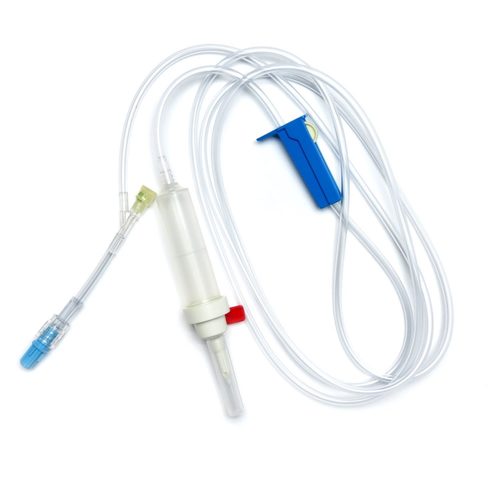
Infusion Kit Intra Venous
Minimum Order Quantity : 2000 Units
Use : Intravenous infusion of medical fluids
Color : Transparent tube with blue/white clamp
Material : Other
Equipment Type : Intra Venous Infusion Kit
Condition : Other, Sterile and disposable
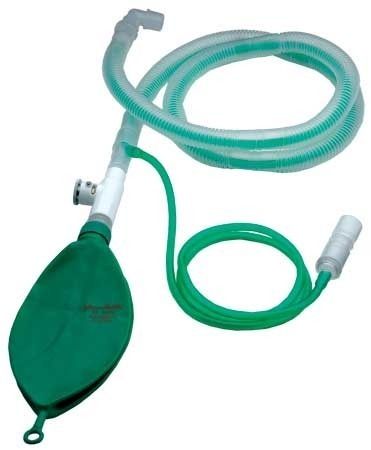
Bain Circuit
Minimum Order Quantity : 500 Units
Use : Delivery of anesthetic gases to patients
Color : Green (reservoir bag), transparent tubing
Material : Other, Medicalgrade PVC, Silicone bag
Equipment Type : Bain Circuit
Condition : New
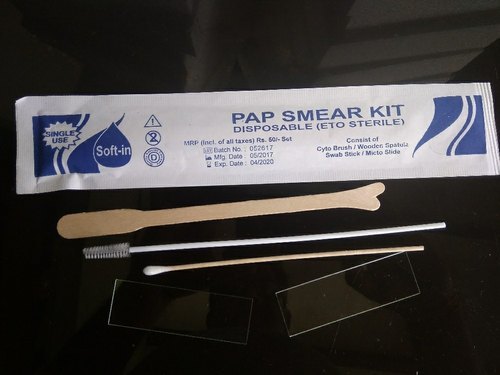
Pap Smear Kit
Minimum Order Quantity : 1000 Pieces
Use : Collection of cervical cells for cytological examination
Color : Natural wood, white, clear
Material : Other
Equipment Type : Pap Smear Kit
Condition : Other, Disposable, Sterile

 Send Inquiry
 Send SMS
SLOGEN BIOTECH
GST : 24CGUPA4277R2ZK
GST : 24CGUPA4277R2ZK

- 264, Green Plaza, Second Floor, Golden Chowkadi, Mota Varacha, Surat - 394101, Gujarat, India
- Phone : 08045811974

- Mr Avadh Ambaliya (Proprietor)
- Mobile : 08045811974
-
 info@slogenbiotech.com

|

SLOGEN BIOTECH
All Rights Reserved.(Terms of Use)
Developed and Managed by Infocom Network Private Limited.
Developed and Managed by Infocom Network Private Limited.

