Welcome to Our Company





 Send Inquiry
 Send Inquiry
Thoracic Catheter
MOQ : 500 Units
Thoracic Catheter Specification
- Accuracy
- High precision fluid drainage
- Shelf Life
- 5 years (unopened, stored properly)
- Usage Type
- Single Use
- Features
- Smooth, rounded atraumatic tip, multiple lateral eyes, X-ray opaque line, sterile, flexible, color-coded
- Instruments Type
- Catheter
- Storage Instructions
- Store in cool, dry place away from direct sunlight
- Function
- Evacuates air, blood or fluid from thoracic cavity
- Equipment Type
- Thoracic Catheter
- Material
- Rubber
- Condition
- New
- Technology
- Sterile, disposable manufacturing
- Portable
- Yes
- Wall Mounted
- No
- Real-Time Operation
- Yes (for fluid drainage)
- Noise Level
- Silent
- Operating Type
- Manual
- Use
- Thoracic drainage
- Dimension (L*W*H)
- Varies by French size and length
- Weight
- Lightweight (few grams)
- Color
- Transparent tube with color-coded connectors
- Tip Type
- Straight and curved, rounded or blunt end
- French Size Range
- 10 Fr to 36 Fr
- Sterilization
- Ethylene oxide (ETO) sterilized
- Number of Eyes
- Multiple lateral eyes for drainage
- Connector
- Universal connectors for secure attachment
- Radiopacity
- Radiopaque strip for visibility under X-ray
- Tube Length
- Varies according to French size (standard lengths available)
- X-ray Detectable
- Yes, radio-opaque line present
- Latex-Free
- Yes
Thoracic Catheter Trade Information
- Minimum Order Quantity
- 500 Units
- FOB Port
- Nhavasheva Port, Mundra Port, Hajira Port.
- Payment Terms
- Cash Against Delivery (CAD), Letter of Credit (L/C), Telegraphic Transfer (T/T), Western Union, Paypal, Letter of Credit at Sight (Sight L/C), Cash in Advance (CID), Cash Advance (CA)
- Supply Ability
- 50000 Units Per Week
- Delivery Time
- 5 Days
- Sample Available
- Yes
- Sample Policy
- Contact us for information regarding our sample policy
- Packaging Details
- Monocarton pack.
- Main Export Market(s)
- Western Europe, Australia, Eastern Europe, Middle East, Central America, South America, Asia, North America, Africa
- Main Domestic Market
- Dadra and Nagar Haveli, Chandigarh, Himachal Pradesh, Nagaland, Uttarakhand, Daman and Diu, Lakshadweep, South India, East India, Andaman and Nicobar Islands, Assam, Arunachal Pradesh, Bihar, Goa, Jammu and Kashmir, Jharkhand, Karnataka, Maharashtra, Mizoram, Meghalaya, Manipur, Punjab, Pondicherry, Rajasthan, Sikkim, Tamil Nadu, Telangana, Tripura, West Bengal, Haryana, Gujarat, Delhi, Madhya Pradesh, North India, Andhra Pradesh, Kerala, Central India, Odisha, West India, Chhattisgarh, Uttar Pradesh, All India
- Certifications
- CE certified.
About Thoracic Catheter
This allows the air or fluid to escape from the pleural space, and prevents anything returning to the chest. A chest tube (chest drain, thoracic catheter, tube thoracostomy, or intercostal drain) is a flexible plastic tube that is inserted through the chest wall and into the pleural space or mediastinum.Precision and Safety in Thoracic Drainage
This catheter offers accurate, high-precision drainage through smooth, flexible tubing, designed to minimize trauma to the thoracic tissues. It incorporates multiple lateral eyes for effective evacuation and a universal connector for secure attachment, enhancing patient safety and procedural efficiency.
Sterility and Visibility for Clinical Confidence
Sterilized with ethylene oxide and equipped with a radiopaque strip, the catheter guarantees aseptic procedures and straightforward detection under X-ray imaging. Its latex-free construction and single-use design further enhance patient safety and procedural reliability.
Simple Application and Reliable Performance
The catheter features a transparent, lightweight tube with color-coded connectors, making it both portable and easy to identify by size. The product is silent in operation, requires manual handling, and is supplied new and ready for immediate clinical use upon opening.
FAQ's of Thoracic Catheter:
Q: How is the thoracic catheter used for drainage procedures?
A: The thoracic catheter is manually inserted by a clinician into the thoracic cavity to evacuate air, blood, or fluid. Its smooth, atraumatic tip and multiple lateral eyes enable efficient drainage while minimizing tissue trauma.Q: What range of French sizes and tip types are available?
A: The catheter is available in French sizes ranging from 10 Fr to 36 Fr, and comes in both straight and curved options with rounded or blunt atraumatic ends for patient comfort and procedural adaptability.Q: When should I use this thoracic catheter?
A: This catheter is intended for single-use, sterile drainage during procedures that require fluid removal from the chest, such as trauma, pneumothorax, hemothorax, or postoperative care.Q: Where can the catheter be used and by whom?
A: It is designed for use in hospital and clinical environments by trained medical professionals involved in thoracic drainage or surgery.Q: What are the benefits of the radiopaque strip and color-coded connectors?
A: The radiopaque strip ensures clear visualization under X-ray, aiding precise positioning. Color-coded connectors allow quick identification of the correct size during selection and attachment.Q: How should the catheter be stored and what is its shelf life?
A: Store the sterile, unopened catheter in a cool, dry place away from direct sunlight. It has a five-year shelf life when stored properly.Q: What process ensures the catheter's sterility and safety?
A: Each catheter is ETO sterilized and individually packaged, ensuring it remains sterile until opened for use. The product is latex-free, reducing the risk of allergic reactions.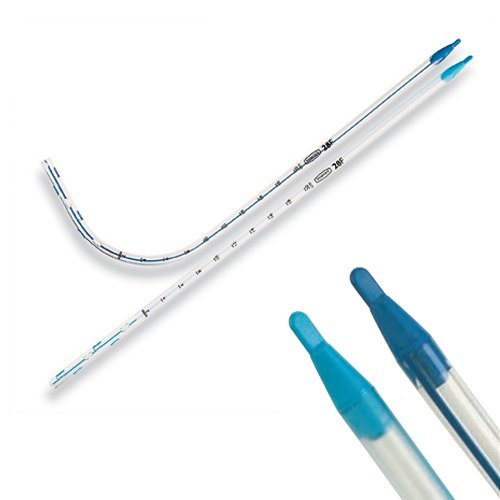
Tell us about your requirement

Price:
Quantity
Select Unit
- 50
- 100
- 200
- 250
- 500
- 1000+
Additional detail
Mobile number
Email

More Products in Surgical Products Category
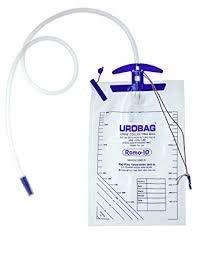
Urine Bags
Minimum Order Quantity : 10000 Pieces
Material : Other
Portable : Yes
Operating Type : Other, Manual (Gravitybased)
Dimension (L*W*H) : Approx. 35cm x 16cm x 0.5cm (varies by capacity)
Shelf Life : 25 Years (if sealed)
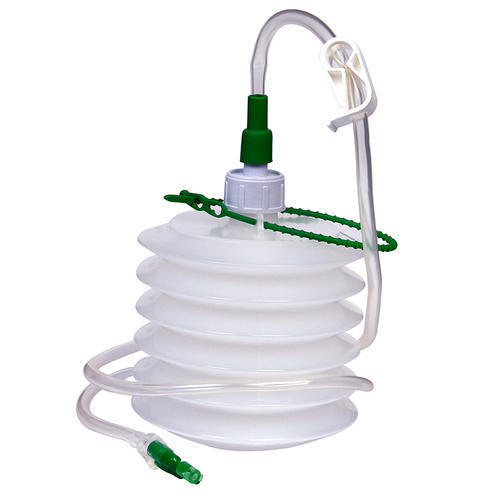
Closed Wound Suction Unit
Minimum Order Quantity : 1000 Pieces
Material : Other, Medical Grade Silicone or Polyvinyl Chloride (PVC)
Portable : Yes
Operating Type : Manual
Dimension (L*W*H) : Variable (Typically Compact Design for Medical Use)
Shelf Life : 35 Years (Unopened, In Sterile Packing)
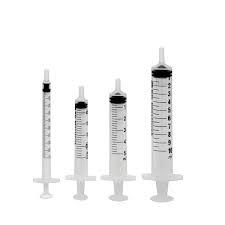
Conventional Syringe
Minimum Order Quantity : 1000 Pieces
Material : Other
Portable : Yes
Operating Type : Manual
Dimension (L*W*H) : Varies by Size (e.g. 1ml, 5ml, 10ml, 20ml)
Shelf Life : Up to 5 Years (Unopened Packaging)
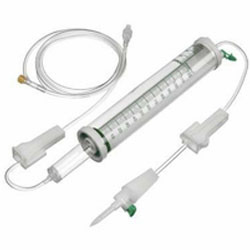
Measured Volume Fluid Infusion Set
Minimum Order Quantity : 1000 Pieces
Material : Other, Medical grade PVC and polyethylene
Portable : Yes
Operating Type : Manual
Dimension (L*W*H) : Chamber Length: Approx. 1520 cm, Chamber Volume: 100 ml or 150 ml
Shelf Life : 35 years (if stored properly)

 Send Inquiry
 Send SMS
 Call Me Free
SLOGEN BIOTECH
GST : 24CGUPA4277R2ZK
GST : 24CGUPA4277R2ZK

- 264, Green Plaza, Second Floor, Golden Chowkadi, Mota Varacha, Surat - 394101, Gujarat, India
- Phone : 08045811974

- Mr Avadh Ambaliya (Proprietor)
- Mobile : 08045811974
-
 info@slogenbiotech.com

|

SLOGEN BIOTECH
All Rights Reserved.(Terms of Use)
Developed and Managed by Infocom Network Private Limited.
Developed and Managed by Infocom Network Private Limited.

