Welcome to Our Company





 Send Inquiry
 Send Inquiry
Tracheostomy Tube Cuffed
Price 1299 INR/ Box
MOQ : 1000 Boxes
Tracheostomy Tube Cuffed Specification
- Function
- Maintain Open Airway and Enable Ventilation
- Instruments Type
- Airway Management Device
- Shelf Life
- 5 Years (approx.)
- Measurement Range
- Internal Diameter Varies per Size
- Features
- Cuff for Sealing Trachea, Patient Comfort, Connector for Ventilators
- Storage Instructions
- Store in Cool, Dry Place Away from Direct Sunlight
- Usage Type
- Single Use/Disposable
- Equipment Type
- Tracheostomy Tube Cuffed
- Material
- Other
- Condition
- New
- Technology
- Cuffed - Inflatable Balloon for Secure Airway
- Portable
- Yes
- Wall Mounted
- No
- Real-Time Operation
- Yes
- Noise Level
- Silent
- Operating Type
- Manual
- Use
- Respiratory Care, Airway Management
- Dimension (L*W*H)
- Varies by Size (typically 5-10 mm Internal Diameter)
- Weight
- Lightweight
- Color
- Blue/Transparent (varies by manufacturer)
- Latex Free
- Yes
- Compliance Standard
- ISO 5361, CE Marked (as applicable)
- Connector
- 15 mm Standard ISO Connector
- Sterility
- Sterile (EO sterilized or equivalent)
- Disposable/Reusable
- Disposable
- Cuff Pressure Range
- 20-30 cm H2O (recommended for adults)
- Radiopaque Line
- Yes, for X-ray Visibility
- Patient Size Compatibility
- Available in Adult and Pediatric sizes
- Balloon Type
- High Volume, Low Pressure Cuff
- Inner Cannula
- Optional/Not Present depending on model
- Included Accessories
- Obturator, Suction Line Cap
Tracheostomy Tube Cuffed Trade Information
- Minimum Order Quantity
- 1000 Boxes
- FOB Port
- Nhavasheva Port, Mundra Port, Hajira Port.
- Payment Terms
- Cash Against Delivery (CAD), Letter of Credit (L/C), Paypal, Western Union, Letter of Credit at Sight (Sight L/C), Telegraphic Transfer (T/T), Cash in Advance (CID), Cash Advance (CA)
- Supply Ability
- 500000 Boxes Per Month
- Delivery Time
- 5-7 Days
- Sample Available
- Yes
- Sample Policy
- Contact us for information regarding our sample policy
- Packaging Details
- Box Quantity- 1 Master Box Quantity- 50
- Main Export Market(s)
- Australia, South America, Western Europe, Middle East, Africa, Central America, Asia, Eastern Europe, North America
- Main Domestic Market
- Chandigarh, Himachal Pradesh, Andaman and Nicobar Islands, Uttarakhand, Daman and Diu, Dadra and Nagar Haveli, Lakshadweep, South India, East India, West India, Assam, Arunachal Pradesh, Bihar, Goa, Haryana, Jammu and Kashmir, Jharkhand, Karnataka, Madhya Pradesh, Maharashtra, Mizoram, Meghalaya, Manipur, Punjab, Pondicherry, Rajasthan, Sikkim, Tamil Nadu, Telangana, Tripura, West Bengal, Nagaland, Delhi, Gujarat, North India, Andhra Pradesh, Kerala, Central India, Odisha, Chhattisgarh, Uttar Pradesh, All India
- Certifications
- ISO/CE Certified
About Tracheostomy Tube Cuffed
Tracheostomy Tube Cuffed
- Made of thermosensitive material which softens at body temperature to accommodate individual patient anatomy.
- Soft flexible flange helps easy fixation.
- 15 mm connector can be rotated in 360 degree direction & facilitates the safe connection to breathing system from any direction.
- Radio opaque blue line for X-ray visualization.
- Soft low pressure cuff dynamically adjusts the pressure at the point of contact during the breathing cycle. Thus minimize the risk of tracheal trauma & other complications.
- Pilot balloon with non return valve facilitates the cuff inflation & deflation.
- Supplied with cotton neck tape.Sterile, individually Blister packed.
Reliable Airway Security
The cuffed tracheostomy tube provides a secure, airtight seal crucial for patients requiring mechanical ventilation or airway protection. Engineered with a high-volume, low-pressure cuff to minimize tracheal injury, it ensures patient safety and comfort during use, making it suitable for operating rooms, ICUs, and emergency care.
Versatile Size Range and Patient Compatibility
Available in a variety of internal diameters, the tracheostomy tube accommodates both pediatric and adult patients. Its lightweight design and blue/transparent finish offer clear identification and help healthcare providers match the right fit for precise airway management.
Convenient, Safe, and Hygienic Use
Packaged sterile and disposable for single-use application, the tube reduces the risk of cross-contamination. Accessories like the obturator and suction line cap support seamless procedural flow, while storage is simplified due to its five-year shelf life and portability.
FAQ's of Tracheostomy Tube Cuffed:
Q: How is the tracheostomy tube cuff inflated and what is the recommended cuff pressure?
A: The cuff is inflated manually using a syringe via the inflation line and pilot balloon. For adults, it is recommended to maintain the cuff pressure between 20-30 cm H2O to ensure airway sealing and minimize tracheal injury.Q: What sizes are available and how do I select the right tube for my patient?
A: These tracheostomy tubes are available in various internal diameters, typically ranging from 5 to 10 mm, for both pediatric and adult patients. Selection should be based on the patient's age, anatomy, and clinical needs. Consult clinical guidelines for optimal sizing.Q: When and where should this tracheostomy tube be used?
A: The device is intended for use in medical settings such as hospitals, intensive care units, and emergency rooms, whenever airway management or mechanical ventilation is needed. It is suitable for both surgical and percutaneous tracheostomy procedures.Q: What is the function of the radiopaque line on the tracheostomy tube?
A: The radiopaque line embedded in the tube enables clinicians to verify tube placement and position on X-ray images, ensuring accurate and safe airway management.Q: How do I store the tracheostomy tube to maintain its sterility and integrity?
A: Store the tube in a cool, dry place away from direct sunlight. Ensure the packaging remains unopened and intact until immediately before use to preserve sterility throughout its five-year shelf life.Q: What accessories are included with the tracheostomy tube and what are their uses?
A: Each unit comes with an obturator, which aids in tube insertion, and a suction line cap to maintain hygiene when suctioning is not being performed, facilitating safe and efficient airway management.Q: What are the benefits of using a cuffed, disposable tracheostomy tube in airway management?
A: A cuffed, disposable tube offers effective airway sealing for ventilation while minimizing contamination risks. Its single-use design ensures patient safety, simplifies infection control, and promotes efficient clinical workflow.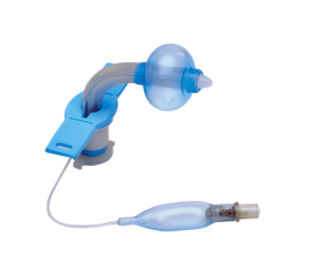
Tell us about your requirement

Price:
Quantity
Select Unit
- 50
- 100
- 200
- 250
- 500
- 1000+
Additional detail
Mobile number
Email

More Products in Surgical Products Category
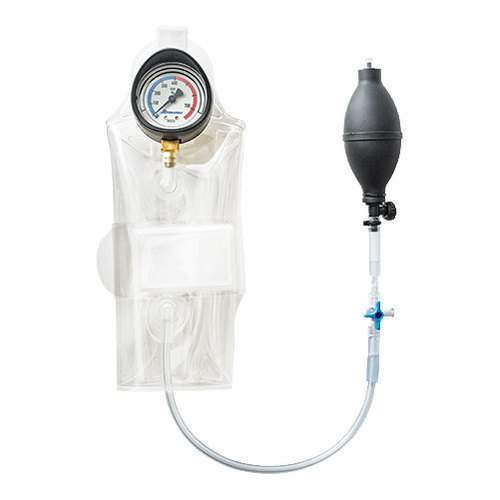
Heavy Duty Pressure Fusor Cuff
Minimum Order Quantity : 500 Units
Material : Other
Condition : New
Equipment Type : Heavy Duty Pressure Fusor Cuff
Use : For rapid infusion of IV fluids and blood products
Shelf Life : Up to 5 years (depends on storage conditions)
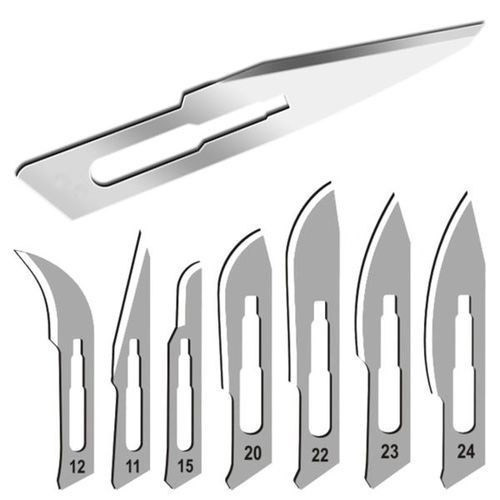
Surgical blades
Minimum Order Quantity : 100 Boxes
Material : Other
Condition : New
Equipment Type : Surgical blades
Use : Hospital, Clinical, Laboratory, and Surgical Procedures
Shelf Life : 5 Years
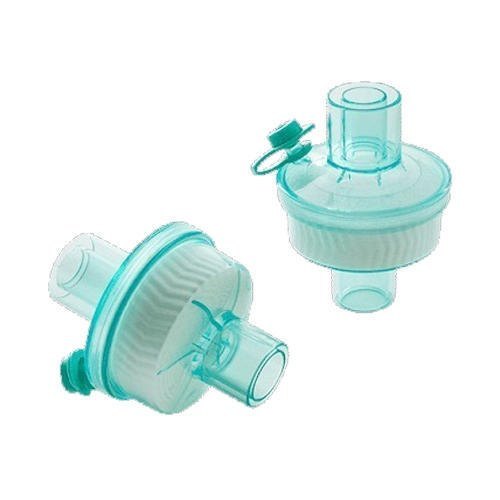
HME Filters
Minimum Order Quantity : 1000 Units
Material : Other
Condition : New
Equipment Type : Hme Filters
Use : Respiratory Support, Mechanical Ventilation
Shelf Life : 5 Years
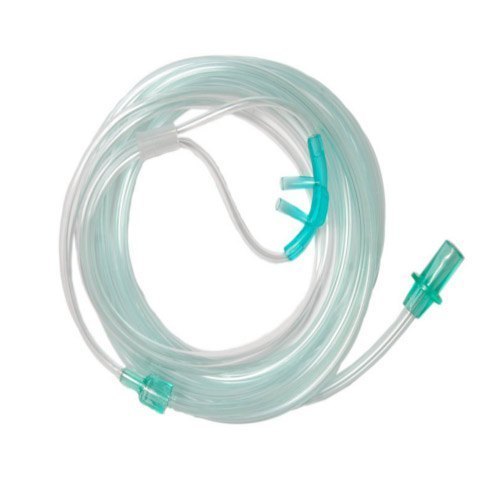
Twin Bore Cannula
Minimum Order Quantity : 5000 Units
Material : Other
Condition : New
Equipment Type : Twin Bore Oxygen Cannula
Use : Hospital
Shelf Life : 5 Years

 Send Inquiry
 Send SMS
SLOGEN BIOTECH
GST : 24CGUPA4277R2ZK
GST : 24CGUPA4277R2ZK

- 264, Green Plaza, Second Floor, Golden Chowkadi, Mota Varacha, Surat - 394101, Gujarat, India
- Phone : 08045811974

- Mr Avadh Ambaliya (Proprietor)
- Mobile : 08045811974
-
 info@slogenbiotech.com

|

SLOGEN BIOTECH
All Rights Reserved.(Terms of Use)
Developed and Managed by Infocom Network Private Limited.
Developed and Managed by Infocom Network Private Limited.

