Welcome to Our Company





 Send Inquiry
 Send Inquiry
Bcg Vaccine
MOQ : 100 Units
Bcg Vaccine Specification
- Packaging Type
- Glass vial
- Life Span
- Typically 1-2 years (refer to manufacturers expiration date)
- Indication
- Prevention of tuberculosis (especially severe forms in children)
- Dosage Form
- Lyophilized powder for injection
- Pacakaging (Quantity Per Box)
- Usually 10 or 20 vials per box, as per supplier specification
- Origin of Medicine
- India (commonly produced in India for global distribution)
- Salt Composition
- Mycobacterium bovis, BCG strain (live attenuated)
- Brand Name
- BCG Vaccine (based on label, specific manufacturer not identified)
- Drug Type
- Injection
- Ingredients
- Live attenuated Mycobacterium bovis (Bacillus Calmette-Guerin)
- Physical Form
- Liquid
- Function
- Immunization against tuberculosis
- Recommended For
- Prevention of Tuberculosis (TB), mainly administered to newborns and children
- Dosage
- 0.1 ml diluted solution for intradermal injection
- Dosage Guidelines
- As per prescription
- Suitable For
- Newborns, children below 1 year
- Quantity
- Based on vial, typically single-use or multi-dose vials
- Storage Instructions
- keep at cool and dry place
- Reconstitution Instructions
- Reconstitute with 1.0 ml of the provided diluent before use
- Color of Vial Cap
- Blue
- Serial/Lot Number
- Mentioned on individual vial
- Prescription/OTC
- Prescription only (Administered by healthcare professional)
- Side Effects
- Local ulcer at injection site, lymphadenitis, mild fever
- Contraindications
- Immunocompromised individuals, symptomatic HIV infection, severe illness, or active tuberculosis
- Route of Administration
- Intradermal injection only
- Shelf Life after Reconstitution
- Should be used within 6 hours after reconstitution
- International Standard Compliance
- Complies with WHO and national immunization program guidelines
Bcg Vaccine Trade Information
- Minimum Order Quantity
- 100 Units
- FOB Port
- Nhavasheva Port, Mundra Port, Hajira Port.
- Payment Terms
- Telegraphic Transfer (T/T), Paypal, Letter of Credit (L/C), Western Union, Letter of Credit at Sight (Sight L/C), Cash Against Delivery (CAD), Cash in Advance (CID), Cash Advance (CA)
- Supply Ability
- 1000000 Units Per Month
- Delivery Time
- 5-7 Days
- Sample Available
- Yes
- Sample Policy
- Contact us for information regarding our sample policy
- Packaging Details
- Monocarton pack alongwith Leaflet.
- Main Export Market(s)
- Australia, North America, South America, Eastern Europe, Western Europe, Middle East, Central America, Asia, Africa
- Main Domestic Market
- Dadra and Nagar Haveli, Lakshadweep, Himachal Pradesh, Andaman and Nicobar Islands, Uttarakhand, Daman and Diu, South India, Central India, North India, East India, Andhra Pradesh, Assam, Arunachal Pradesh, Delhi, Gujarat, Goa, Haryana, Jammu and Kashmir, Jharkhand, Karnataka, Madhya Pradesh, Maharashtra, Mizoram, Meghalaya, Manipur, Punjab, Pondicherry, Rajasthan, Sikkim, Tamil Nadu, Telangana, Tripura, West Bengal, Nagaland, Bihar, Kerala, Odisha, West India, Chhattisgarh, Chandigarh, Uttar Pradesh, All India
- Certifications
- EUGMP/WHOGMP/GMP.
About Bcg Vaccine
Bcg Vaccine
BCG vaccine provides immunity or protection against tuberculosis (TB).
BCG vaccine provides immunity or protection against tuberculosis (TB). The vaccine may be given to persons at high risk of developing TB. It is also used to treat bladder tumors or bladder cancer. This medication is sometimes prescribed for other uses; ask your doctor or pharmacist for more information.
How Does the BCG Vaccine Work?
The BCG Vaccine helps the immune system recognize and fight Mycobacterium tuberculosis, the bacteria responsible for causing tuberculosis, particularly its severe manifestations in young children. By introducing a live attenuated strain of Mycobacterium bovis, the vaccine primes the body's defenses to respond rapidly if exposed to TB in the future.
Proper Reconstitution and Usage
Before administration, the BCG Vaccine requires reconstitution with exactly 1.0 ml of the provided diluent. After mixing, the product should be used within six hours and must not be stored overnight. Intradermal injection is the only recommended route, and correct dosage (0.1 ml for newborns and infants) ensures efficacy and safety as per medical guidance.
Who Should Receive the BCG Vaccine?
The BCG Vaccine is recommended for newborns and children under the age of one, especially in regions with high TB prevalence. It is administered in hospitals, clinics, or by authorized immunization programs worldwide. The vaccine should not be given to individuals with immunocompromised states, symptomatic HIV, severe illness, or active TB infection.
FAQ's of Bcg Vaccine:
Q: How should the BCG Vaccine be reconstituted before use?
A: The BCG Vaccine must be reconstituted with 1.0 ml of the supplied diluent. Mix gently until the powder fully dissolves, and always use aseptic technique. Once mixed, the vaccine should be administered within six hours and not be stored for future use.Q: What is the appropriate method and site for BCG Vaccine administration?
A: The vaccine should be given only as an intradermal injection, typically on the upper arm. Administer 0.1 ml of the reconstituted solution, ensuring the correct technique to avoid complications such as local ulceration.Q: When is the best time to administer the BCG Vaccine?
A: BCG is best given shortly after birth, ideally within the first year of life, to maximize its protective effect against severe forms of tuberculosis. The timing may depend on local health policies and TB risk assessments.Q: What are the main benefits of the BCG Vaccine?
A: The primary benefit is protection against severe forms of tuberculosis, such as TB meningitis and miliary TB in children. It is especially valuable in settings where TB is common.Q: Who should avoid receiving the BCG Vaccine?
A: Individuals with immunocompromising conditions, symptomatic HIV infection, severe illnesses, or active tuberculosis should not receive the BCG Vaccine, as serious adverse effects may occur.Q: What side effects can occur after BCG vaccination?
A: Common side effects include a local ulcer at the injection site, mild fever, or swelling of lymph nodes (lymphadenitis). These reactions typically resolve on their own.Q: How should the BCG Vaccine be stored?
A: Store the vaccine in a cool, dry place, following the temperature requirements stated by the manufacturer. After reconstitution, any remaining vaccine must be discarded after six hours.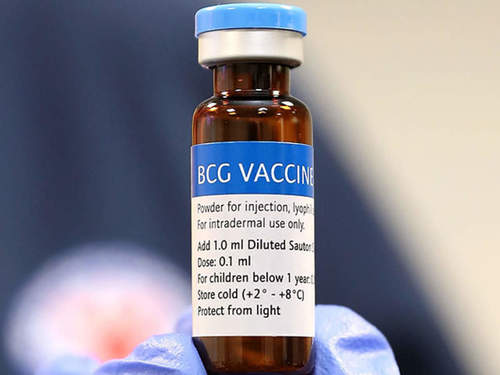
Tell us about your requirement

Price:
Quantity
Select Unit
- 50
- 100
- 200
- 250
- 500
- 1000+
Additional detail
Mobile number
Email

More Products in Immunization & Vaccination Drugs Category
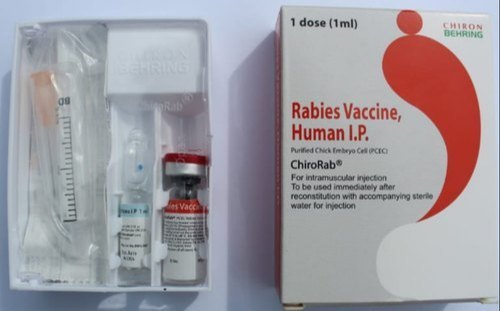
Anti Rabies Vaccine
Minimum Order Quantity : 1000 Boxes
Storage Instructions : keep at cool and dry place
Drug Type : Injection
Dosage Guidelines : As per prescription
Physical Form : Liquid
Suitable For : Other, Adults and children
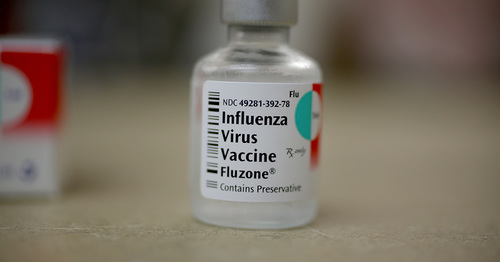
Influenza Virus Vaccine
Minimum Order Quantity : 100 Units
Storage Instructions : keep at cool and dry place
Drug Type : Injection
Dosage Guidelines : As per prescription
Physical Form : Liquid
Suitable For : Other, Adults, children above 6 months, elderly
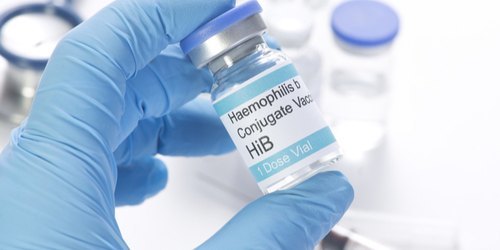
Haemophills B Vaccine
Minimum Order Quantity : 100 Units
Storage Instructions : keep at cool and dry place
Drug Type : Injection
Dosage Guidelines : As per prescription
Physical Form : Liquid
Suitable For : Other, Pediatric use
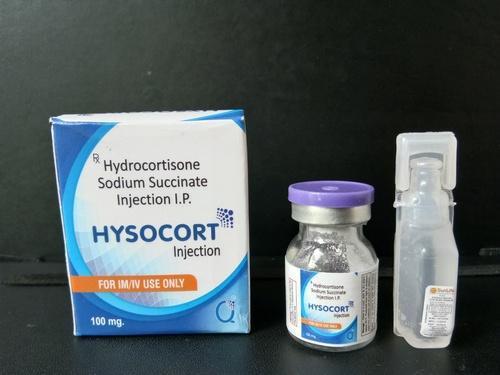
Hydrocortisone Sodium Succinate Injection
Minimum Order Quantity : 100 Units
Storage Instructions : keep at cool and dry place
Drug Type : Injection
Dosage Guidelines : As per prescription
Physical Form : Liquid
Suitable For : Other, Adults and children as prescribed

 Send Inquiry
 Send SMS
 Call Me Free
SLOGEN BIOTECH
GST : 24CGUPA4277R2ZK
GST : 24CGUPA4277R2ZK

- 264, Green Plaza, Second Floor, Golden Chowkadi, Mota Varacha, Surat - 394101, Gujarat, India
- Phone : 08045811974

- Mr Avadh Ambaliya (Proprietor)
- Mobile : 08045811974
-
 info@slogenbiotech.com

|

SLOGEN BIOTECH
All Rights Reserved.(Terms of Use)
Developed and Managed by Infocom Network Private Limited.
Developed and Managed by Infocom Network Private Limited.

