Welcome to Our Company





 Send Inquiry
 Send Inquiry
Haemophills B Vaccine
MOQ : 100 Units
Haemophills B Vaccine Specification
- Packaging Type
- Glass Vial with rubber stopper and aluminum seal
- Dosage Form
- Injection
- Origin of Medicine
- Pharmaceutical laboratory (as per label, but not explicitly shown)
- Life Span
- Check expiry date on label; typically 24 to 36 months from manufacturing
- Pacakaging (Quantity Per Box)
- Not specified, commonly 1 or 10 vials per box
- Salt Composition
- Haemophilus B Polysaccharide Conjugated with Tetanus Toxoid Protein
- Indication
- Prevention of invasive diseases caused by Haemophilus influenzae type B such as meningitis, pneumonia, and epiglottitis
- Drug Type
- Injection
- Ingredients
- Haemophilus influenzae type B (Hib) conjugated with tetanus toxoid
- Physical Form
- Liquid
- Function
- Provides immunization against Haemophilus influenzae type B infection
- Recommended For
- Children and infants
- Dosage
- As directed by physician, commonly 0.5 ml per dose
- Dosage Guidelines
- As per prescription
- Suitable For
- Pediatric use
- Quantity
- 1 vial
- Storage Instructions
- keep at cool and dry place
- Preservative
- May contain trace amounts of thimerosal or other preservatives depending on manufacturer
- MRP
- As per regulatory price list or marked on packaging
- Color
- Clear or slightly opalescent liquid
- Schedule
- Typically given at ages 2, 4, 6 months and a booster at 12-18 months
- Needle Included
- Subject to packaging (not specified)
- WHO Prequalification
- Check packaging for WHO PQ status, not visible in image
- Route of Administration
- Intramuscular, typically in the thigh or deltoid region
- Marketed By
- Not specified on vial image
- Adverse Effects
- Pain, redness or swelling at injection site, mild fever, irritability
- Contraindications
- Hypersensitivity to any component of the vaccine, acute severe febrile illness
Haemophills B Vaccine Trade Information
- Minimum Order Quantity
- 100 Units
- FOB Port
- Nhavasheva Port, Mundra Port, Hajira Port.
- Payment Terms
- Cash Against Delivery (CAD), Cash Advance (CA), Letter of Credit (L/C), Telegraphic Transfer (T/T), Western Union, Paypal, Letter of Credit at Sight (Sight L/C), Cash in Advance (CID)
- Supply Ability
- 1000000 Units Per Month
- Delivery Time
- 5-7 Days
- Sample Available
- Yes
- Sample Policy
- Contact us for information regarding our sample policy
- Packaging Details
- Monocarton pack with leaflet.
- Main Export Market(s)
- Asia, Australia, South America, Eastern Europe, Western Europe, Middle East, Central America, North America, Africa
- Main Domestic Market
- Manipur, Himachal Pradesh, Andaman and Nicobar Islands, Pondicherry, Uttarakhand, Daman and Diu, Dadra and Nagar Haveli, Lakshadweep, South India, East India, Assam, Arunachal Pradesh, Bihar, Chandigarh, Goa, Jammu and Kashmir, Jharkhand, Karnataka, Madhya Pradesh, Maharashtra, Mizoram, Meghalaya, Punjab, Rajasthan, Sikkim, Tamil Nadu, Telangana, Tripura, West Bengal, Nagaland, Haryana, Kerala, Delhi, Gujarat, North India, Andhra Pradesh, Central India, Odisha, West India, Chhattisgarh, Uttar Pradesh, All India
- Certifications
- EUGMP/WHOGMP/GMP.
About Haemophills B Vaccine
Hib Vaccine
The Haemophilus influenzae type B vaccine, often called Hib vaccine, is a vaccine used to prevent Haemophilus influenzae type b (Hib) infection.
The Haemophilus influenzae type B vaccine, often called Hib vaccine, is a vaccine used to prevent Haemophilus influenzae type b infection. In countries that include it as a routine vaccine, rates of severe Hib infections have decreased more than 90%.
How the Haemophills B Vaccine Works
This vaccine utilizes purified Haemophilus influenzae type B polysaccharide conjugated with tetanus toxoid protein. Once administered, it stimulates the immune system to produce antibodies, providing protection against Hib-related diseases. Regular doses according to schedule ensure lasting immunity for children.
Recommended Schedule and Dosage Guidelines
The vaccine is generally administered in a series at 2, 4, and 6 months of age, with a booster typically given between 12-18 months. Each dose is 0.5 ml, and the vaccination schedule should be strictly followed to ensure optimal protection. Dosage and timing are based on the pediatrician's guidance.
Storage and Handling Information
Store the vaccine in a cool, dry place, and always check the expiration date on the packaging before use. The physical form is a clear or slightly opalescent liquid sealed in glass vials. Handle with care and return unused doses as directed by local guidelines.
FAQ's of Haemophills B Vaccine:
Q: How is the Haemophills B Vaccine administered?
A: The Haemophills B Vaccine is given as an intramuscular injection, typically into the thigh for infants and the deltoid region for older children, as directed by a healthcare provider.Q: What are the benefits of the Haemophills B Vaccine?
A: This vaccine helps protect children from severe diseases caused by Haemophilus influenzae type B, such as meningitis, pneumonia, and epiglottitis, significantly reducing the risk of these life-threatening infections.Q: When should my child receive the Haemophills B Vaccine?
A: It is recommended to administer the vaccine at 2, 4, and 6 months of age, with a booster dose between 12-18 months, according to the immunization schedule prescribed by your pediatrician.Q: What should I do if my child has a reaction after the injection?
A: Mild swelling, redness, pain at the injection site, or mild fever and irritability are common and usually resolve on their own. If your child experiences severe symptoms or signs of hypersensitivity, contact your healthcare provider promptly.Q: Are there any contraindications for this vaccine?
A: Yes, the vaccine should not be given to children with known hypersensitivity to any of its components, or during an acute severe febrile illness. Consult your doctor for alternative recommendations if these conditions apply.Q: How should the vaccine be stored before use?
A: Keep the vaccine in a cool and dry place, and always verify the expiry date before administration. Follow any additional storage instructions provided on the packaging.Q: Can I check if the vaccine is WHO prequalified?
A: Check the package label for WHO prequalification status, as it may vary by manufacturer and is not always indicated on the vial image.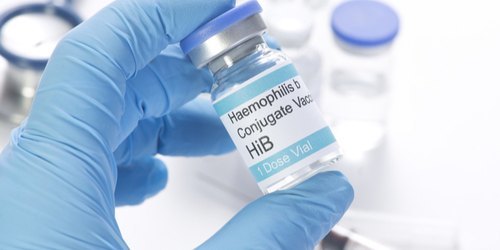
Tell us about your requirement

Price:
Quantity
Select Unit
- 50
- 100
- 200
- 250
- 500
- 1000+
Additional detail
Mobile number
Email

More Products in Immunization & Vaccination Drugs Category
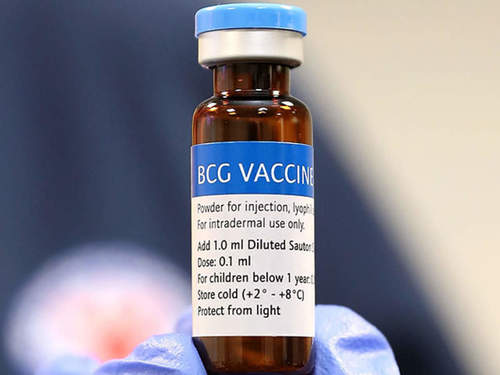
Bcg Vaccine
Minimum Order Quantity : 100 Units
Storage Instructions : keep at cool and dry place
Physical Form : Liquid
Dosage Guidelines : As per prescription
Drug Type : Injection
Function : Other, Immunization against tuberculosis
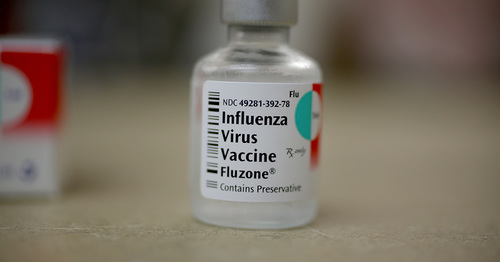
Influenza Virus Vaccine
Minimum Order Quantity : 100 Units
Storage Instructions : keep at cool and dry place
Physical Form : Liquid
Dosage Guidelines : As per prescription
Drug Type : Injection
Function : Other, Immunization against influenza virus
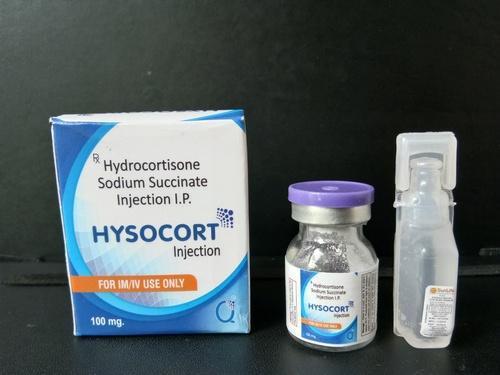
Hydrocortisone Sodium Succinate Injection
Minimum Order Quantity : 100 Units
Storage Instructions : keep at cool and dry place
Physical Form : Liquid
Dosage Guidelines : As per prescription
Drug Type : Injection
Function : Other, Antiinflammatory and immunosuppressant
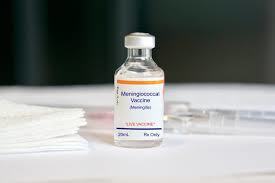
Meningococcal meningitis Vaccine
Minimum Order Quantity : 50 Pieces
Storage Instructions : keep at cool and dry place
Physical Form : Liquid
Dosage Guidelines : As per doctor prescribe.
Drug Type : Other Types
Function : Other

 Send Inquiry
 Send SMS
 Call Me Free
SLOGEN BIOTECH
GST : 24CGUPA4277R2ZK
GST : 24CGUPA4277R2ZK

- 264, Green Plaza, Second Floor, Golden Chowkadi, Mota Varacha, Surat - 394101, Gujarat, India
- Phone : 08045811974

- Mr Avadh Ambaliya (Proprietor)
- Mobile : 08045811974
-
 info@slogenbiotech.com

|

SLOGEN BIOTECH
All Rights Reserved.(Terms of Use)
Developed and Managed by Infocom Network Private Limited.
Developed and Managed by Infocom Network Private Limited.

