Welcome to Our Company





 Send Inquiry
 Send Inquiry
Bone wax
MOQ : 500 Pieces
Bone wax Specification
- Storage Instructions
- Store in a cool, dry place, away from direct sunlight. Maintain sterility until use.
- Shelf Life
- Up to 5 years from date of manufacture (if stored properly)
- Instruments Type
- Surgical Hemostatic Agent
- Usage Type
- Single-use sterile
- Function
- Controls bone bleeding by tamponade effect
- Features
- Sterile, Non-absorbable, Easy to mold and apply, Ready to use, Sealed packaging
- Equipment Type
- Bone wax
- Material
- Other
- Condition
- New
- Technology
- Manual application, non-absorbable hemostatic agent
- Portable
- Yes
- Wall Mounted
- No
- Noise Level
- Silent, No noise
- Operating Type
- Manual
- Use
- Hospital
- Dimension (L*W*H)
- Each stick standard size (approx. 2.5 cm x 1 cm x 0.5 cm); packaging varies
- Weight
- ~2.5g per stick
- Color
- White to off-white
- Latex Content
- Latex free
- Application Site
- Bone surface
- Disposability
- Yes, Single-use only
- Intended Users
- Surgeons, Orthopedic specialists, Cardiac surgeons
- Absorbability
- Non-absorbable
- Sterilization Method
- Gamma sterilized
- Packaging
- Individually packed in sealed blister packaging, boxed
- CE Marked
- Yes
Bone wax Trade Information
- Minimum Order Quantity
- 500 Pieces
- FOB Port
- Nhavasheva Port, Mundra Port, Hajira Port.
- Payment Terms
- Paypal, Letter of Credit (L/C), Western Union, Letter of Credit at Sight (Sight L/C), Cash Against Delivery (CAD), Telegraphic Transfer (T/T), Cash in Advance (CID), Cash Advance (CA)
- Supply Ability
- 50000 Pieces Per Week
- Delivery Time
- 5-7 Days
- Sample Available
- Yes
- Sample Policy
- Contact us for information regarding our sample policy
- Packaging Details
- Box Quantity- 12
- Main Export Market(s)
- Australia, North America, South America, Eastern Europe, Western Europe, Middle East, Central America, Asia, Africa
- Main Domestic Market
- Dadra and Nagar Haveli, Chandigarh, Himachal Pradesh, Sikkim, Manipur, Meghalaya, Uttarakhand, Daman and Diu, South India, East India, West India, Andaman and Nicobar Islands, Assam, Arunachal Pradesh, Delhi, Gujarat, Goa, Haryana, Jammu and Kashmir, Jharkhand, Karnataka, Lakshadweep, Madhya Pradesh, Maharashtra, Mizoram, Nagaland, Punjab, Pondicherry, Rajasthan, Tamil Nadu, Telangana, Tripura, West Bengal, North India, Bihar, Andhra Pradesh, Kerala, Central India, Odisha, Chhattisgarh, Uttar Pradesh, All India
- Certifications
- ISO/CE Certified
About Bone wax
Bone Wax is a sterile mixture of beeswax and isopropyl palmitate, a wax-softening agent, used to help control bleeding from bone surfaces. To stop bleeding during surgery and to patch holes made in the skull. Achieves local hemostasis of bone by acting as a mechanical (tamponade) barrier.Superior Hemostatic Control
Bone wax effectively controls bleeding from bone surfaces through its tamponade effect. Its manual application allows precise use in diverse surgical settings, ensuring optimal hemostasis for surgeons specializing in orthopedics, cardiology, and related fields. The product remains non-absorbable, providing sustained control and minimizing intraoperative blood loss.
User-Friendly and Safe
Each stick is individually gamma sterilized and encased in sealed blister packaging to uphold rigorous safety standards. Free from latex, bone wax reduces potential allergic reactions and ensures suitability for a broad patient population. Its pliability and ready-to-use design enhance usability, streamlining workflow in operating theaters.
Trusted Quality and Storage
The bone wax is CE Marked, guaranteeing adherence to European safety and quality standards. Features like a five-year shelf life (when stored in cool, dry conditions away from sunlight) and robust packaging help preserve product integrity and effectiveness until the point of use, making it a dependable choice for healthcare providers.
FAQ's of Bone wax:
Q: How is bone wax applied during surgical procedures?
A: Bone wax is applied manually directly onto the bleeding bone surface, where it acts as a physical barrier to control bleeding. Its pliable texture allows surgeons to mold and adhere the wax to specific sites, ensuring optimal hemostasis.Q: What are the main benefits of using gamma sterilized bone wax?
A: Gamma sterilization ensures that each bone wax stick is sterile, reducing the risk of infection. Additional benefits include its non-absorbable property, latex-free formulation, ease of molding, and single-use sterile packaging for enhanced safety.Q: When and where should bone wax be used?
A: Bone wax is intended for use in operating rooms by surgeons, particularly during orthopedic, cardiac, or other procedures that involve bony structures. It is applied when control of surface bone bleeding is required.Q: What is the recommended process for storing bone wax?
A: Bone wax should be stored in a cool, dry place, away from direct sunlight, to maintain sterility and extend its shelf life up to five years from the date of manufacture. Keep the packaging sealed until ready for use.Q: Why is bone wax classified as non-absorbable and single-use only?
A: Bone wax remains on the bone surface and is not absorbed by the body, ensuring lasting hemostatic action. To prevent contamination and ensure optimal sterility, each stick is designed for single use and should be disposed of after application.Q: Is bone wax suitable for patients with latex allergies?
A: Yes, the product is latex-free, making it suitable for patients sensitive to latex and reducing the risk of allergic reactions during surgical procedures.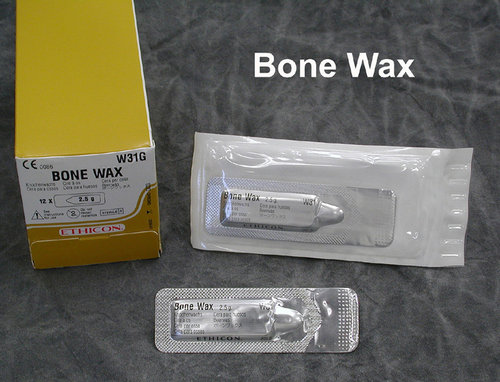
Tell us about your requirement

Price:
Quantity
Select Unit
- 50
- 100
- 200
- 250
- 500
- 1000+
Additional detail
Mobile number
Email

More Products in Surgical Products Category
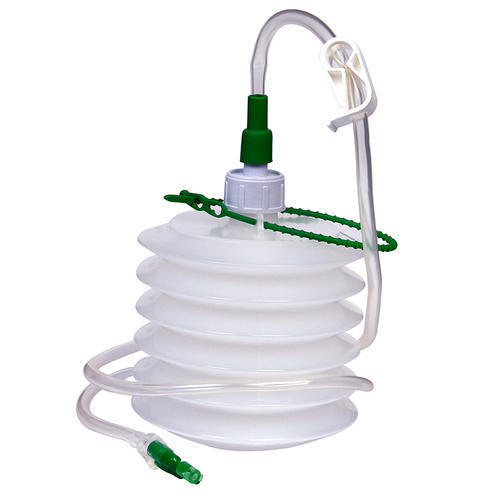
Closed Wound Suction Unit
Minimum Order Quantity : 1000 Pieces
Equipment Type : Closed Wound Suction Unit
Material : Other, Medical Grade Silicone or Polyvinyl Chloride (PVC)
Use : Postsurgical Wound Drainage and Suction
Color : White with Green Fittings
Condition : New
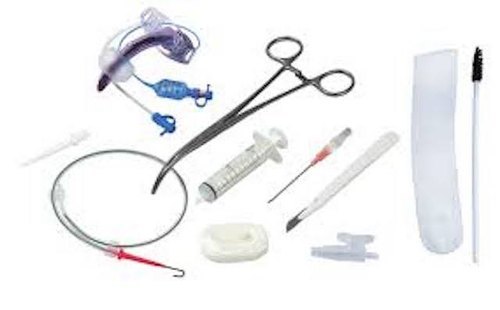
Percutaneous Tracheostomy Kit
Minimum Order Quantity : 1000 Boxes
Equipment Type : Percutaneous Tracheostomy Kit
Material : Other
Use : hospital
Color : Transparent/white, metallic
Condition : New
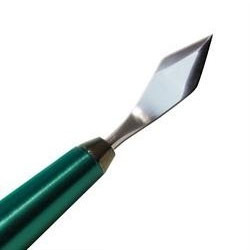
Keratome Blades
Minimum Order Quantity : 100 Boxes
Equipment Type : Keratome Blades
Material : Other
Use : Ophthalmic Surgery, Corneal Incision
Color : Green Handle, Silver Blade
Condition : Other, Sterile, Disposable
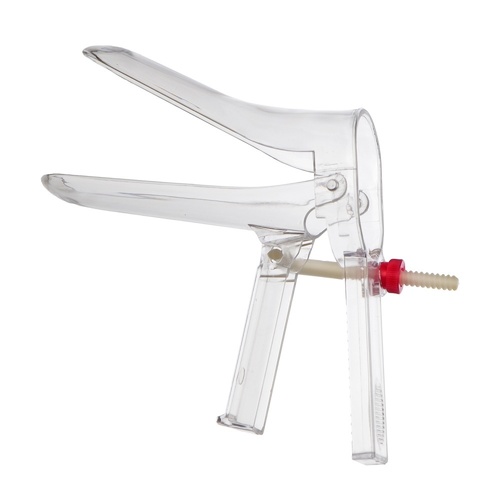
Disposabe Speculum
Minimum Order Quantity : 500 Pieces
Equipment Type : Disposabe Speculum
Material : Other
Use : Gynecological Examination
Color : Transparent/Clear
Condition : Other, New, Sterile

 Send Inquiry
 Send SMS
 Call Me Free
SLOGEN BIOTECH
GST : 24CGUPA4277R2ZK
GST : 24CGUPA4277R2ZK

- 264, Green Plaza, Second Floor, Golden Chowkadi, Mota Varacha, Surat - 394101, Gujarat, India
- Phone : 08045811974

- Mr Avadh Ambaliya (Proprietor)
- Mobile : 08045811974
-
 info@slogenbiotech.com

|

SLOGEN BIOTECH
All Rights Reserved.(Terms of Use)
Developed and Managed by Infocom Network Private Limited.
Developed and Managed by Infocom Network Private Limited.

