Welcome to Our Company





 Send Inquiry
 Send Inquiry
Haematuria Foley Catheter
MOQ : 1000 Pieces
Haematuria Foley Catheter Specification
- Accuracy
- High fluid and blood clot drainage efficiency
- Usage Type
- Disposable, Single Use
- Instruments Type
- Urology/Drainage Catheter
- Function
- Allows irrigation and drainage in urinary bladder
- Measurement Range
- Available in different sizes (16 Fr to 24 Fr typically)
- Storage Instructions
- Store in a cool, dry place away from direct sunlight
- Shelf Life
- 5 years
- Features
- Triple-way, smooth surface, atraumatic
- Equipment Type
- Haematuria Foley Catheter
- Material
- Other
- Condition
- New
- Technology
- Latex Coating, Biocompatible
- Portable
- Yes
- Wall Mounted
- No
- Real-Time Operation
- Yes
- Noise Level
- Silent
- Operating Type
- Manual/Clinical
- Use
- Hospital
- Dimension (L*W*H)
- Varies by size (common length: 400 mm)
- Weight
- Lightweight
- Color
- Natural latex/yellowish
- Lubrication
- Pre-lubricated for ease of insertion
- Intended Use
- Management of gross haematuria and clot retention
- Sterility
- Sterile and individually packed
- Tip,
- Open tip for effective irrigation
- Balloon Capacity
- 30-50 ml
- Connector Type
- Color-coded for easy size identification
- Latex Free Option Available
- Yes
- Number of Way
- Three-way (irrigation, drainage, balloon)
- Radiopaque Line
- Yes, for X-ray detection
Haematuria Foley Catheter Trade Information
- Minimum Order Quantity
- 1000 Pieces
- FOB Port
- Nhavasheva Port, Mundra Port, Hajira Port.
- Payment Terms
- Letter of Credit at Sight (Sight L/C), Western Union, Paypal, Letter of Credit (L/C), Cash Against Delivery (CAD), Cash Advance (CA), Telegraphic Transfer (T/T), Cash in Advance (CID)
- Supply Ability
- 50000 Pieces Per Week
- Delivery Time
- 5-7 Days
- Sample Available
- Yes
- Sample Policy
- Contact us for information regarding our sample policy
- Packaging Details
- Monocarton Pack
- Main Export Market(s)
- Australia, South America, Eastern Europe, Western Europe, Middle East, Central America, Asia, North America, Africa
- Main Domestic Market
- Dadra and Nagar Haveli, Chandigarh, Himachal Pradesh, Uttarakhand, Daman and Diu, Lakshadweep, Kerala, South India, East India, West India, Andaman and Nicobar Islands, Assam, Arunachal Pradesh, Bihar, Delhi, Gujarat, Goa, Haryana, Jammu and Kashmir, Jharkhand, Karnataka, Madhya Pradesh, Maharashtra, Mizoram, Meghalaya, Manipur, Nagaland, Pondicherry, Rajasthan, Sikkim, Tamil Nadu, Telangana, Tripura, West Bengal, North India, Punjab, Andhra Pradesh, Central India, Odisha, Chhattisgarh, Uttar Pradesh, All India
- Certifications
- ISO CE USFDA
About Haematuria Foley Catheter
Hematuria Foley Catheters . Used for Post TURP hemostasis. The shaft of the catheter is reinforced with a wound nylon coil that offers significant resistance to collapse under the vacuum of irrigation. The additional strength of the coils assures users that any blockage can be cleared by irrigation.Triple-Way Functionality for Enhanced Urological Care
This Haematuria Foley Catheter is equipped with three separate channels: one for urine drainage, one for irrigation, and one for balloon inflation. The open tip design and balloon capacity of 30-50 ml make it ideal for managing blood clots and maintaining continuous irrigation, thus improving patient outcomes in hospital settings.
Designed for Safety and Ease of Use
Every catheter is individually packed, sterile, and pre-lubricated for seamless insertion, reducing the risk of trauma. The color-coded connector enables quick size identification, while the radiopaque line assists in precise catheter positioning under X-ray. A latex-free version is also available for patients with sensitivities.
Durability and Convenient Storage
Constructed with biocompatible materials and advanced latex coating, this disposable catheter ensures comfort, reliability, and a high degree of safety for single use. With a shelf life of five years, it should be kept in a cool, dry place protected from sunlight to preserve its integrity.
FAQ's of Haematuria Foley Catheter:
Q: How is a Haematuria Foley Catheter with balloon capacity 30-50 ml used in clinical practice?
A: This catheter is primarily utilized for managing gross haematuria and the retention of blood clots in the urinary bladder through continuous irrigation and drainage. The three-way design allows simultaneous drainage, irrigation to flush out debris, and balloon inflation to maintain catheter placement.Q: What makes the triple-way Haematuria Foley Catheter advantageous for hospital use?
A: Its three channels allow healthcare professionals to irrigate the bladder, drain urine and clots, and keep the catheter securely in place, all with one device. This multi-functionality enhances efficiency and reduces the need for multiple insertions.Q: When should a latex-free Haematuria Foley Catheter be selected?
A: A latex-free option should be chosen for patients with known latex allergies or sensitivities. It delivers the same performance as the standard version while minimizing allergic reactions.Q: Where can the Haematuria Foley Catheter be stored, and what are its shelf life considerations?
A: These catheters should be stored in a cool, dry setting away from direct sunlight to maintain sterility and material integrity. Each catheter has a shelf life of five years when stored properly.Q: What is the process of identifying the appropriate catheter size for a patient?
A: Size selection is facilitated by the color-coded connector, with common sizes ranging from 16 Fr to 24 Fr. The clinician will determine the most suitable size based on the patient's anatomy and indications for use.Q: How does the catheter's design improve patient comfort and clinical outcomes?
A: The pre-lubricated, smooth-surfaced, and atraumatic design allows easy insertion, reduces trauma, and ensures effective irrigation and drainage, which are crucial for patient recovery in cases of gross haematuria.Q: What are the benefits of the radiopaque line in this catheter?
A: A radiopaque line enables accurate visualization and positioning of the catheter on X-ray images, which helps in correct placement and reduces complications during clinical procedures.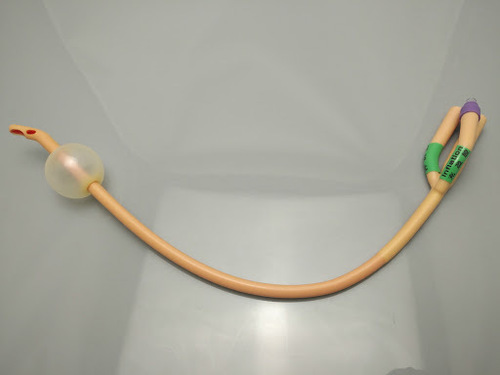
Tell us about your requirement

Price:
Quantity
Select Unit
- 50
- 100
- 200
- 250
- 500
- 1000+
Additional detail
Mobile number
Email

More Products in Surgical Products Category
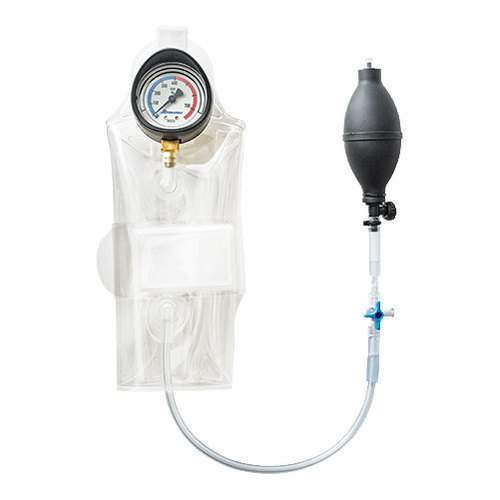
Heavy Duty Pressure Fusor Cuff
Minimum Order Quantity : 500 Units
Features : Reusable, clear viewing window, easy to use, with pressure gauge
Shelf Life : Up to 5 years (depends on storage conditions)
Storage Instructions : Store in a cool, dry place away from direct sunlight
Function : To apply pressure for infusion of medical fluids
Equipment Type : Heavy Duty Pressure Fusor Cuff
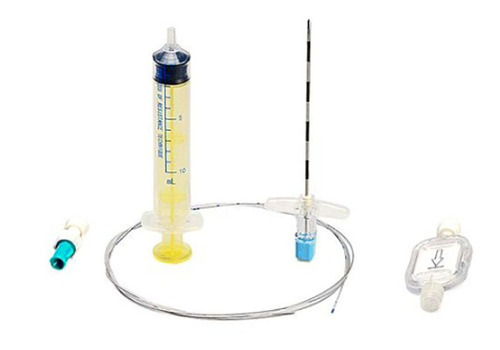
Epidural Anesthesia Kit
Minimum Order Quantity : 100 Units
Features : Markings for depth, flexible catheter, safe sterile packaging
Shelf Life : 35 years (unopened)
Storage Instructions : Store in a cool, dry place, protected from light
Function : To facilitate safe and effective epidural anesthesia
Equipment Type : Epidural Anesthesia Kit
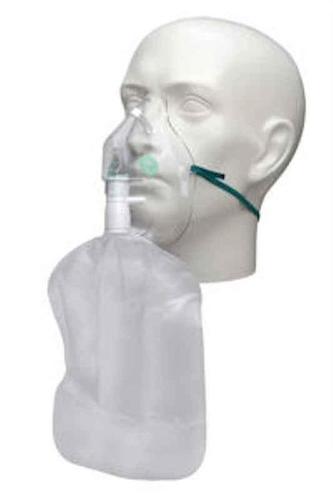
High Concentration Oxygen Mask
Minimum Order Quantity : 500 Units
Features : Adjustable nose clip; Elastic strap; Reservoir bag for high oxygen concentration; Nonrebreathing valve
Shelf Life : 5 years (unopened)
Storage Instructions : Store in a cool, dry place, away from sunlight
Function : Delivers high concentration oxygen to the patient
Equipment Type : High Concentration Oxygen Mask
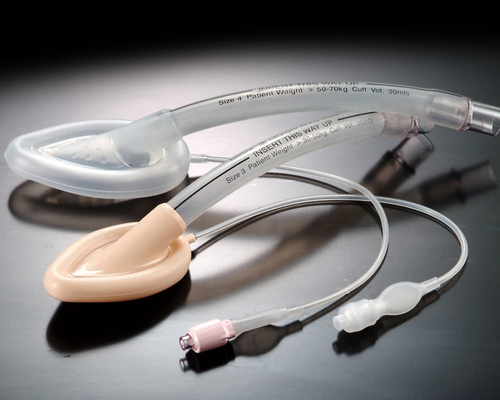
Laryngeal Mask Airways
Minimum Order Quantity : 500 Units
Features : Smooth, atraumatic tip; flexible tube; inflatable cuff
Shelf Life : 35 years depending on manufacturer
Storage Instructions : Store in a cool, dry place; avoid direct sunlight
Function : Maintains open airway during anesthesia or unconsciousness
Equipment Type : Laryngeal Mask Airways

 Send Inquiry
 Send SMS
 Call Me Free
SLOGEN BIOTECH
GST : 24CGUPA4277R2ZK
GST : 24CGUPA4277R2ZK

- 264, Green Plaza, Second Floor, Golden Chowkadi, Mota Varacha, Surat - 394101, Gujarat, India
- Phone : 08045811974

- Mr Avadh Ambaliya (Proprietor)
- Mobile : 08045811974
-
 info@slogenbiotech.com

|

SLOGEN BIOTECH
All Rights Reserved.(Terms of Use)
Developed and Managed by Infocom Network Private Limited.
Developed and Managed by Infocom Network Private Limited.

