Welcome to Our Company





 Send Inquiry
 Send Inquiry
Masking tape
MOQ : 500 Pieces
Masking tape Specification
- Storage Instructions
- Store in a cool, dry place away from direct sunlight
- Shelf Life
- 12-24 months (when stored properly)
- Usage Type
- Disposable
- Features
- Easy to tear, residue-free removal, flexible, writable surface
- Instruments Type
- Adhesive Tape
- Function
- Temporary covering, holding, masking, labeling
- Equipment Type
- Masking tape
- Material
- Other
- Condition
- New
- Technology
- Pressure Sensitive Adhesive
- Portable
- Yes
- Wall Mounted
- No
- Noise Level
- Silent
- Operating Type
- Manual
- Use
- Surface Protection, Painting, Labeling, Packing, Masking Off Areas
- Dimension (L*W*H)
- Variable (Typically width: 12mm-72mm, length: 20m-50m)
- Weight
- Varies by roll size
- Color
- Off-White, Cream
- Adhesive Type
- Rubber-based or Acrylic adhesive
- Peel Adhesion
- Medium to low, designed for easy removal
- Elongation
- 8%-12% (Varies by type)
- Temperature Resistance
- Typically up to 60C (140F)
- Diameter (Core Size)
- Standard 3 inch (76mm) core
- UV Resistance
- Low to moderate, depends on grade
- Water Resistance
- Limited, not waterproof
- Tensile Strength
- Medium (Varies by manufacturer)
- Recommended Surfaces
- Wood, metal, glass, painted surfaces, plastics
Masking tape Trade Information
- Minimum Order Quantity
- 500 Pieces
- FOB Port
- Nhavasheva Port, Mundra Port, Hajira Port.
- Payment Terms
- Telegraphic Transfer (T/T), Paypal, Letter of Credit (L/C), Western Union, Letter of Credit at Sight (Sight L/C), Cash Against Delivery (CAD), Cash in Advance (CID), Cash Advance (CA)
- Supply Ability
- 50000 Pieces Per Week
- Delivery Time
- 5-7 Days
- Sample Available
- Yes
- Sample Policy
- Contact us for information regarding our sample policy
- Main Export Market(s)
- Australia, North America, South America, Eastern Europe, Western Europe, Middle East, Africa, Central America, Asia
- Main Domestic Market
- Chandigarh, Himachal Pradesh, Nagaland, Uttarakhand, Daman and Diu, Dadra and Nagar Haveli, Lakshadweep, East India, Andaman and Nicobar Islands, Andhra Pradesh, Assam, Arunachal Pradesh, Goa, Jammu and Kashmir, Jharkhand, Karnataka, Maharashtra, Mizoram, Meghalaya, Manipur, Punjab, Pondicherry, Rajasthan, Sikkim, Tamil Nadu, Telangana, Tripura, Delhi, Haryana, Gujarat, West Bengal, South India, Madhya Pradesh, North India, Bihar, Kerala, Central India, Odisha, West India, Chhattisgarh, Uttar Pradesh, All India
About Masking tape
Masking tape- Our tape holds securely for long-term wear and can be removed from the skin gently, without causing damage to the skin.
- The tape has a convenient bidirectional tear, it can be easily torn when needed.
- It sticks firmly onto the skin, keeping everything in place while still being breathable and comfortable. It can be easily torn when needed without scissors.
- Our paper tape is hypoallergenic. So, if you have sensitive skin, it give you a rash.
- Our tape leaves no residue when removed from skin. You can also easily release the tape after use.
Versatile Surface Protection
Masking tape is the ideal choice for temporary covering, holding, labeling, and masking off areas. Thanks to its medium tensile strength and flexible design, it conforms well to uneven surfaces. It works exceptionally well on wood, metal, glass, painted surfaces, and plastics, making it suitable for a wide range of professional and DIY applications.
Engineered for Easy Application and Removal
With a medium to low peel adhesion, this tape sticks securely but is designed for effortless removal, leaving no residue behind. The pressure-sensitive adhesive technology ensures a reliable bond during use and protects surfaces during projects such as painting or packing.
Practical Features for Everyday Tasks
This masking tape is writable, easy to tear by hand, and operates silently. Its portability, disposable nature, and variable dimensions make it practical for labeling, protecting surfaces, and general utility. For best results, store away from sunlight in cool, dry conditions to maintain performance throughout its 12-24 month shelf life.
FAQ's of Masking tape:
Q: How should masking tape be stored to maintain its adhesive properties?
A: Store masking tape in a cool, dry place away from direct sunlight and moisture. This protects the adhesive from degradation and maintains proper performance for its full 12-24 month shelf life.Q: What surfaces can masking tape be used on effectively?
A: Masking tape adheres reliably to wood, metal, glass, painted surfaces, and various plastics. It is designed for easy removal, making it suitable for temporary applications on these materials without leaving residue.Q: When is masking tape most suitable for use?
A: Masking tape is most effective for temporary needs such as protecting surfaces during painting, labeling items, masking off areas, and light packing. It excels in applications where later removal without surface damage is important.Q: What process should I follow to achieve clean removal of masking tape?
A: Ensure surfaces are clean and dry before application. Remove the tape slowly at a 45-degree angle once the task is finished or paint has dried to avoid tearing or adhesive residue. Do not leave tape exposed for extended periods, especially under direct sunlight.Q: Where is masking tape commonly applied in professional and household settings?
A: Professionals and DIY users apply masking tape for painting jobs, labeling, general packaging, crafting, and masking off sections during repairs or renovations. Its flexible width options and ease of tearing make it versatile across tasks.Q: What is the benefit of using a rubber-based or acrylic adhesive masking tape?
A: Rubber-based and acrylic adhesives provide a medium strength hold with easy, residue-free removal. This makes the tape ideal for temporary applications where protection and clean removal are critical, such as painting and surface labeling.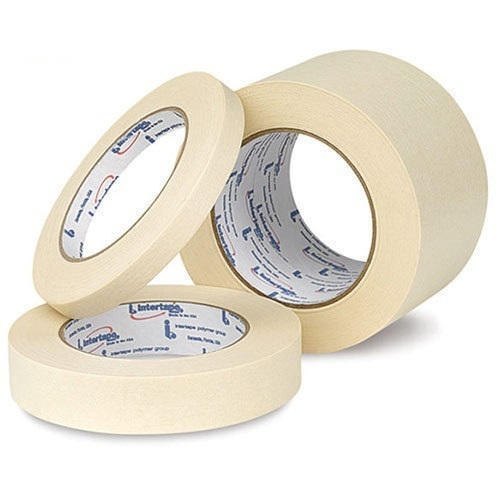
Tell us about your requirement

Price:
Quantity
Select Unit
- 50
- 100
- 200
- 250
- 500
- 1000+
Additional detail
Mobile number
Email

More Products in Surgical Products Category
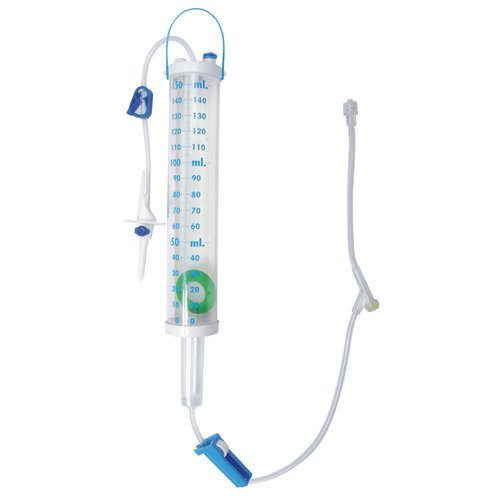
Pedia Drip
Minimum Order Quantity : 1000 Units
Condition : New
Portable : Yes
Use : Hospital and Pediatric Infusion Therapy
Storage Instructions : Store in a cool, dry place, away from direct sunlight
Technology : Graduated Chamber Volumetric Infusion
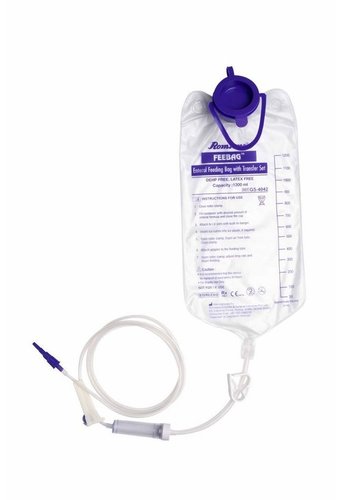
Enteral Feeding Bag
Minimum Order Quantity : 5000 Pieces
Condition : New
Portable : Yes
Use : Hospital and Clinical Use for Nutritional Feeding
Storage Instructions : Store in Cool, Dry Place Away from Direct Sunlight
Technology : Gravity Feeding
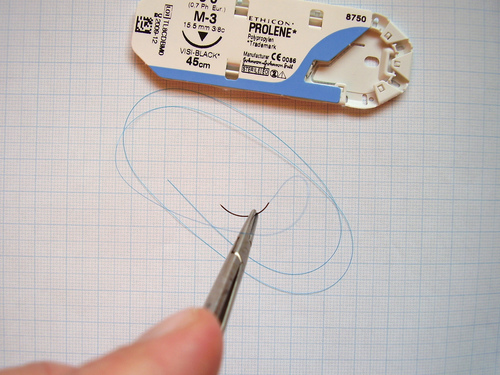
Surgical Sutures
Minimum Order Quantity : 5 Boxes
Condition : New
Portable : Yes
Use : Wound closure in surgery
Storage Instructions : Store in a cool, dry place away from direct sunlight
Technology : Sterile medical device production
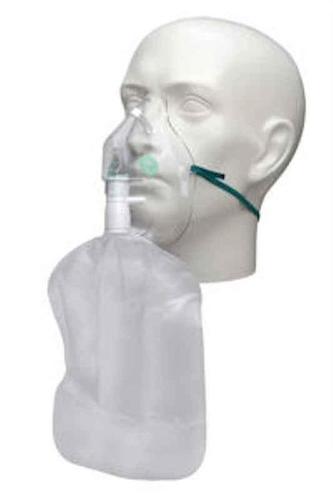
High Concentration Oxygen Mask
Minimum Order Quantity : 500 Units
Condition : New
Portable : Yes
Use : Oxygen therapy; Respiration assistance
Storage Instructions : Store in a cool, dry place, away from sunlight
Technology : Nonrebreathing mask with reservoir bag

 Send Inquiry
 Send SMS
SLOGEN BIOTECH
GST : 24CGUPA4277R2ZK
GST : 24CGUPA4277R2ZK

- 264, Green Plaza, Second Floor, Golden Chowkadi, Mota Varacha, Surat - 394101, Gujarat, India
- Phone : 08045811974

- Mr Avadh Ambaliya (Proprietor)
- Mobile : 08045811974
-
 info@slogenbiotech.com

|

SLOGEN BIOTECH
All Rights Reserved.(Terms of Use)
Developed and Managed by Infocom Network Private Limited.
Developed and Managed by Infocom Network Private Limited.

